Catalog
Search
83 products
View:
- Selected: 1Areas of use
- Selected: 0Item names
- Selected: 0Manufacturer
- Selected: 0Made in
- Selected: 0Additional
View:
83 products
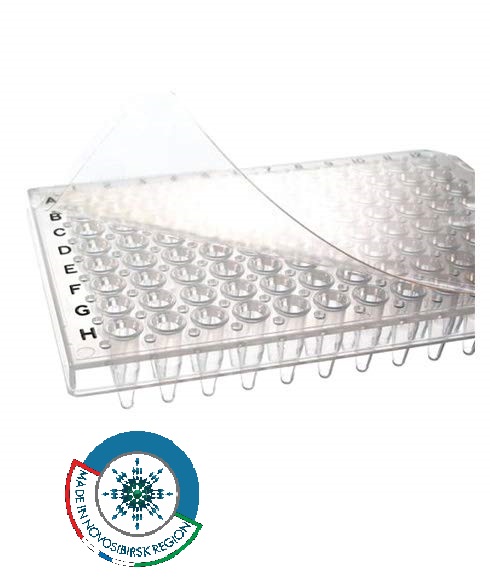
Film for PCR dies, for thermal sealing without a substrate
from
4 000 ₽
Transparent film without a substrate, designed for thermal sealing of PCR tablets.
It is adapted to most thermal protection devices and tablets from other manufacturers.
It is ideal for transportation and long-term storage of highly sensitive samples.
The film is easily removed after sealing without breaks, which eliminates the need to pierce it.
Sealers: PX1 PCR Plate Sealer, Bio-Rad; DTpack, DNA technology; ALPS 50 V, Thermo FS; Heat sealer S100-200, Eppendorf; E-seal, KBiosystems; and other popular models.
Thickness: 60 microns.
Material: Polyester
Material thickness: 0.055 mm.
Temperature range: -170+175 °C
Sealing: 2-3 sec.
Film integrity:-80°C ... +110°C
Packaging: 100 pcs.
VIS MED
Berdsk
Produced in: Berdsk, Novosibirsk region
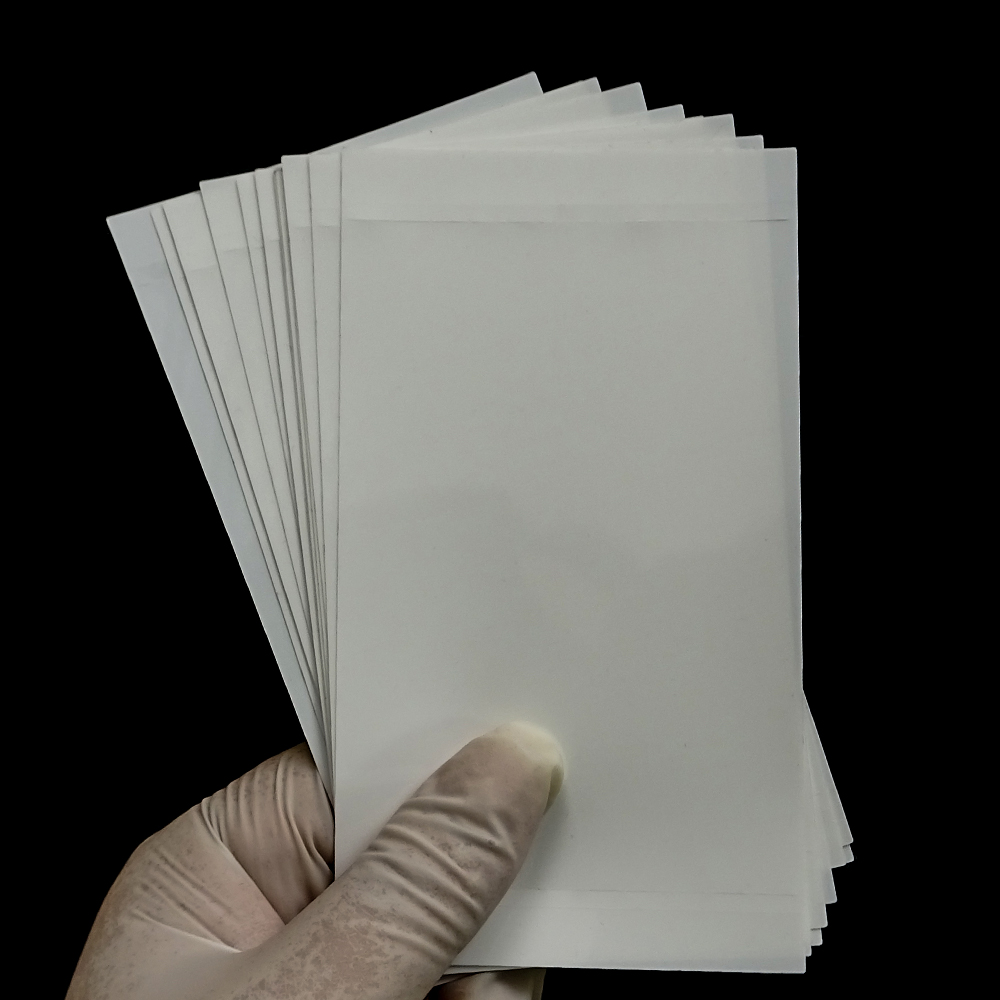
Film for PCR dies, adhesive, for RealTime
The film is suitable for all types of thermal cycling, including real-time PCR.
Pressure-sensitive adhesive film does not stick to gloves.
This premium product guarantees tightness during amplification.
Similar to imported samples.
Temperature range: -70+100 °C
Material: Polyolefin
Packaging: 100 pcs.
VIS MED
Berdsk
Produced in: Berdsk, Novosibirsk region
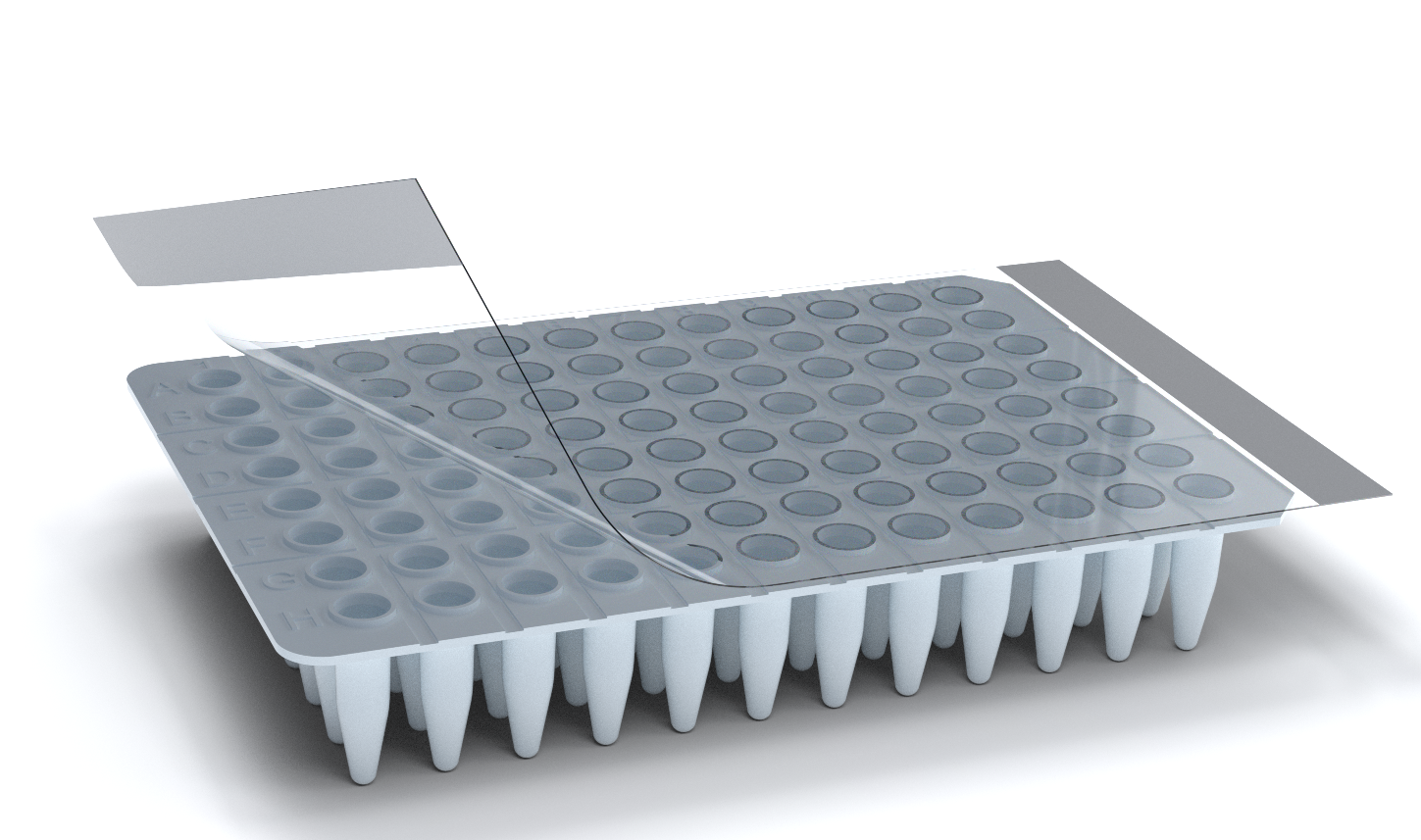
The film for PCR tablet, adhesive 142 * 80 mm.
from
3 500 ₽
PCR film, adhesive.
High optical transparency.
Low autofluorescence Hydrophobic adhesive is resistant to turbidity.
Low level of extractable substances in various solvents.
The film is similar in all its characteristics to imported samples.
Recommendations for use: The best sealing results are achieved when using an applicator or roller.
Perforation is applied.
Temperature range: -20°C + 120°C
Material: PET
Packaging: 100 sheets
VIS MED
Berdsk
Produced in: Berdsk, Novosibirsk region
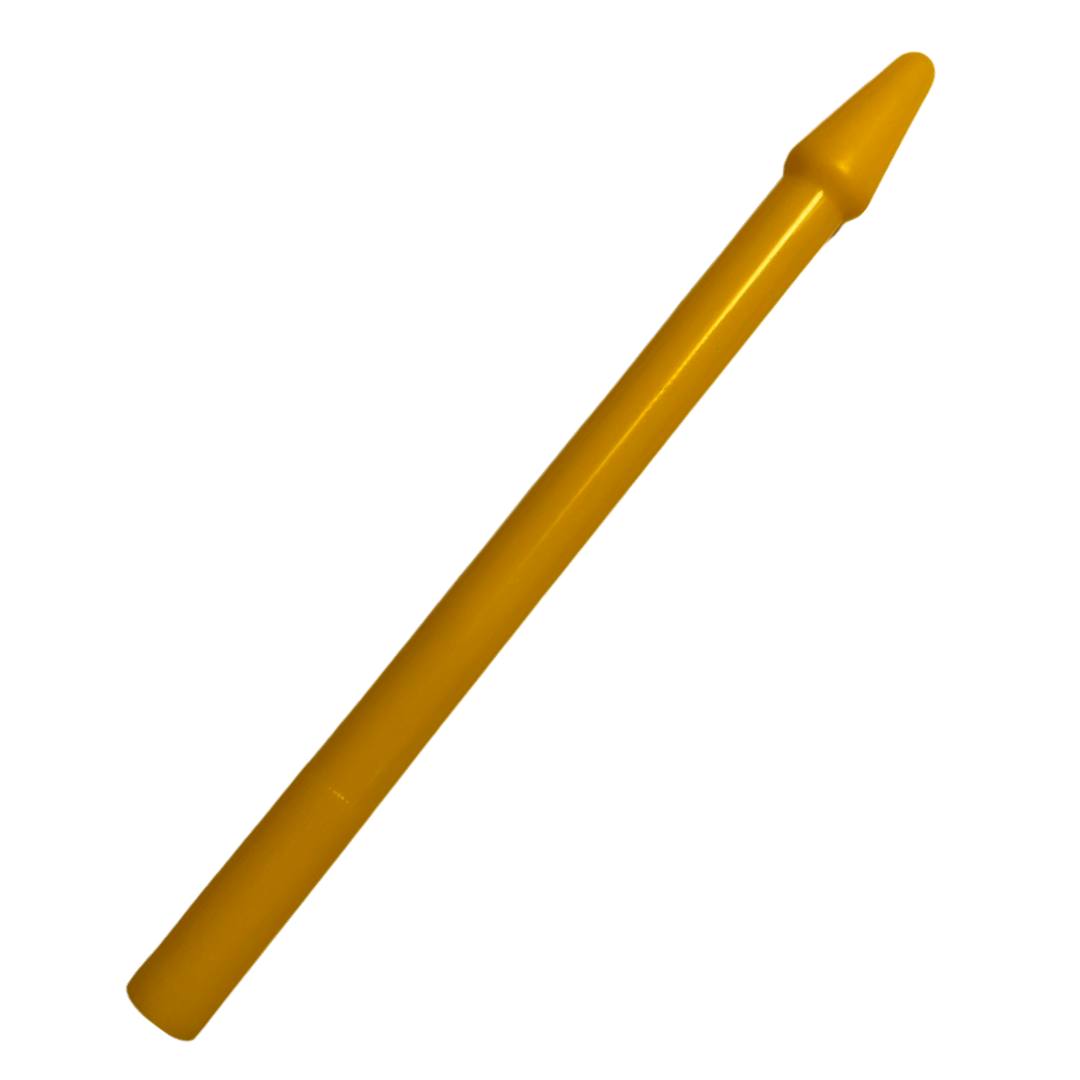
Pestle for homogenization 1.5-2.0 ml.
from
450 ₽
Pestles for homogenization
For suspension in test tubes of 1.5/ 2.0 ml, 10 pcs. in the package
Compatible with electromechanical drive for pestles
Analog: SSI
Material of manufacture: PP
Packing: 10 pieces.
VIS MED
Berdsk
Produced in: Berdsk, Novosibirsk region
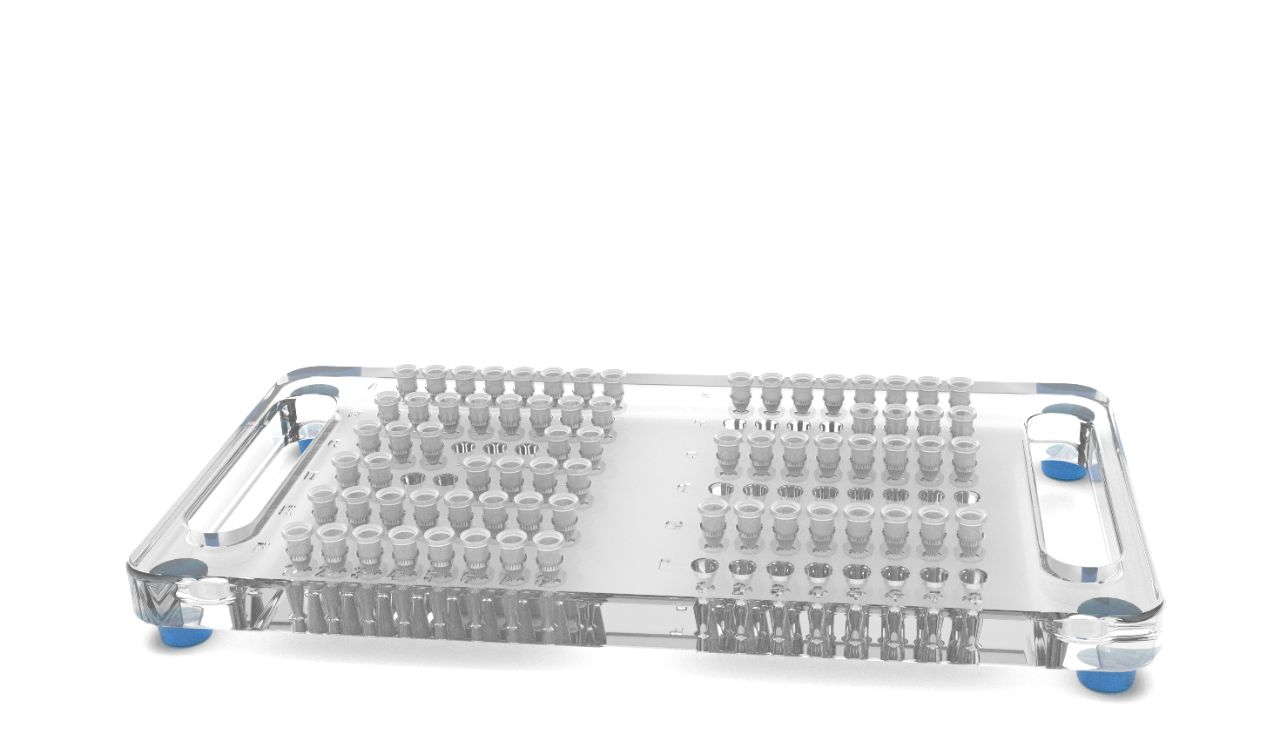
Tripod "workplace" for single and stripped 0.2 ml tubes, 96 seats (plexiglass)
Material of manufacture: Plexiglass
Product Color: Transparent
Tripod legs: rubber (to prevent sliding)
For test tubes: 0.2 ml.
VIS MED
Berdsk
Produced in: Bryansk, Novosibirsk region
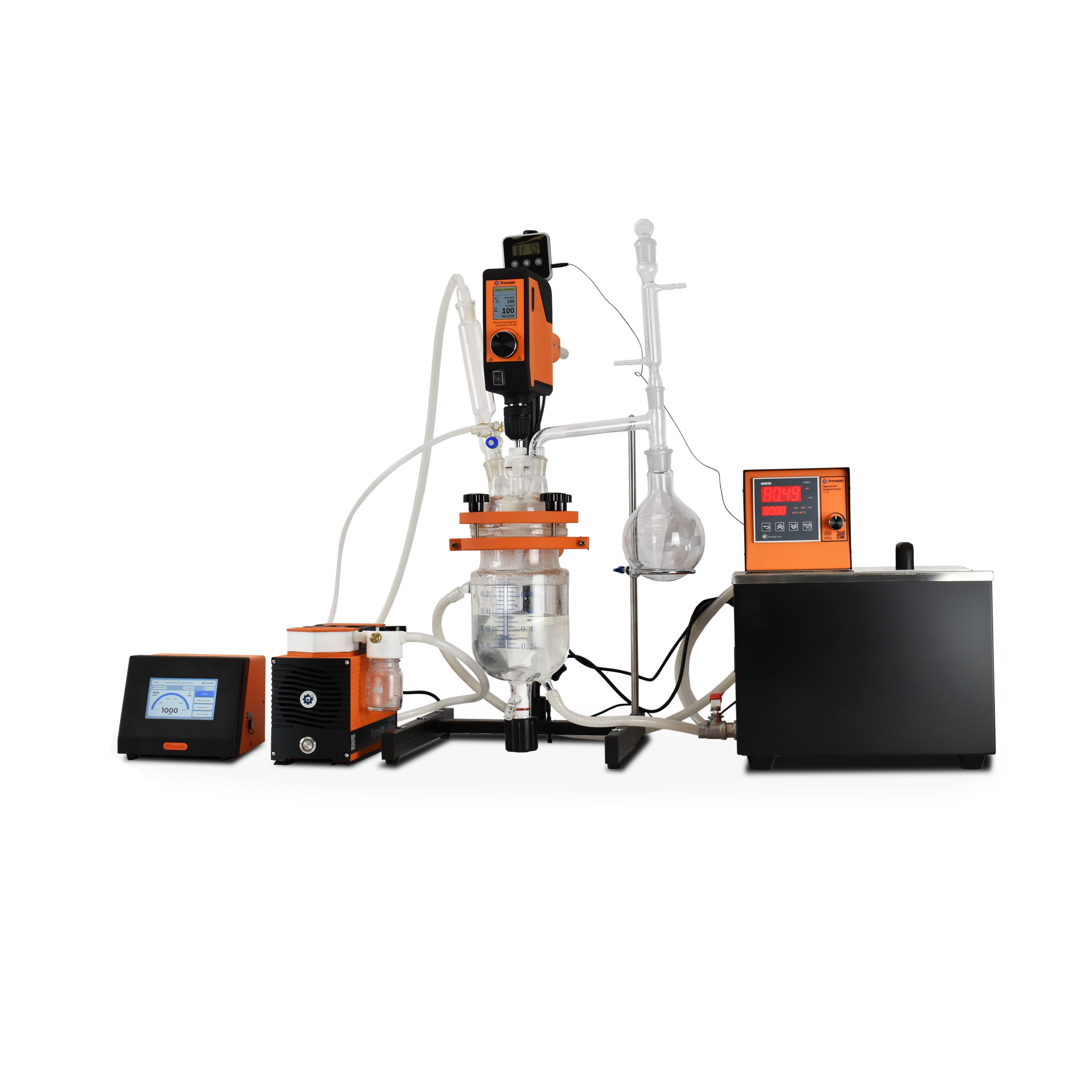
RP 1L Reactor System by Primelab
Universal system for chemical synthesis and emulsification
RP 1L Reactor System by Primelab
A complete laboratory in a single package — everything required for reactions, emulsification, vacuum processing, and temperature control.
Ready-to-use system — no additional equipment purchases needed.
100% chemical resistance — all contact surfaces are made of borosilicate glass and PTFE.
Russian-made — guaranteed quality and easy access to spare parts.
Complete set includes:
1.1-liter reactor vessel
o Material: borosilicate glass
o 6 standard joints for connecting equipment
o Jacket for circulating heat transfer fluid
2.Top-drive stirrer TM-100 Primelab
o Power: 105 W, speed range: 20–3000 rpm
o Modes: reverse, shaker, timer
o Handles viscosities up to 60,000 mPa•s
3.Liquid thermostat Primelab
o Range: up to +200°C
o Temperature stability: ±0.1°C
4.Vacuum module
o Membrane pump PL.HM01.01.10 (chemically resistant)
o Digital vacuum controller VC-Pro Primelab, range 1–1000 mbar
o Trap with gauge Primelab (borosilicate glass, PTFE)
5.Additional accessories
o Liebig condenser with vacuum port
o Dropping funnel
o Stirring rod
Technical specifications
Parameter: Value
Total system volume: 1.5 L (working volume 1.0 L)
Max operating pressure: 1.5 atm
Temperature range -20°C to +100°C
Stirring speed: 20–3000 rpm
Vacuum Down to 5 mbar (residual)
Dimensions: 400×300×600 mm
Weight: 12 kg
Key advantages
✔ Easy to use
✔ Safe operation
✔ Scalable
Areas of application
• Organic synthesis
• Pharmaceutical development
• Production of emulsions and suspensions
• Pilot testing before scale-up
• Scientific research
Primelab
Mytishchi
Produced in: Mytishchi, Moscow region
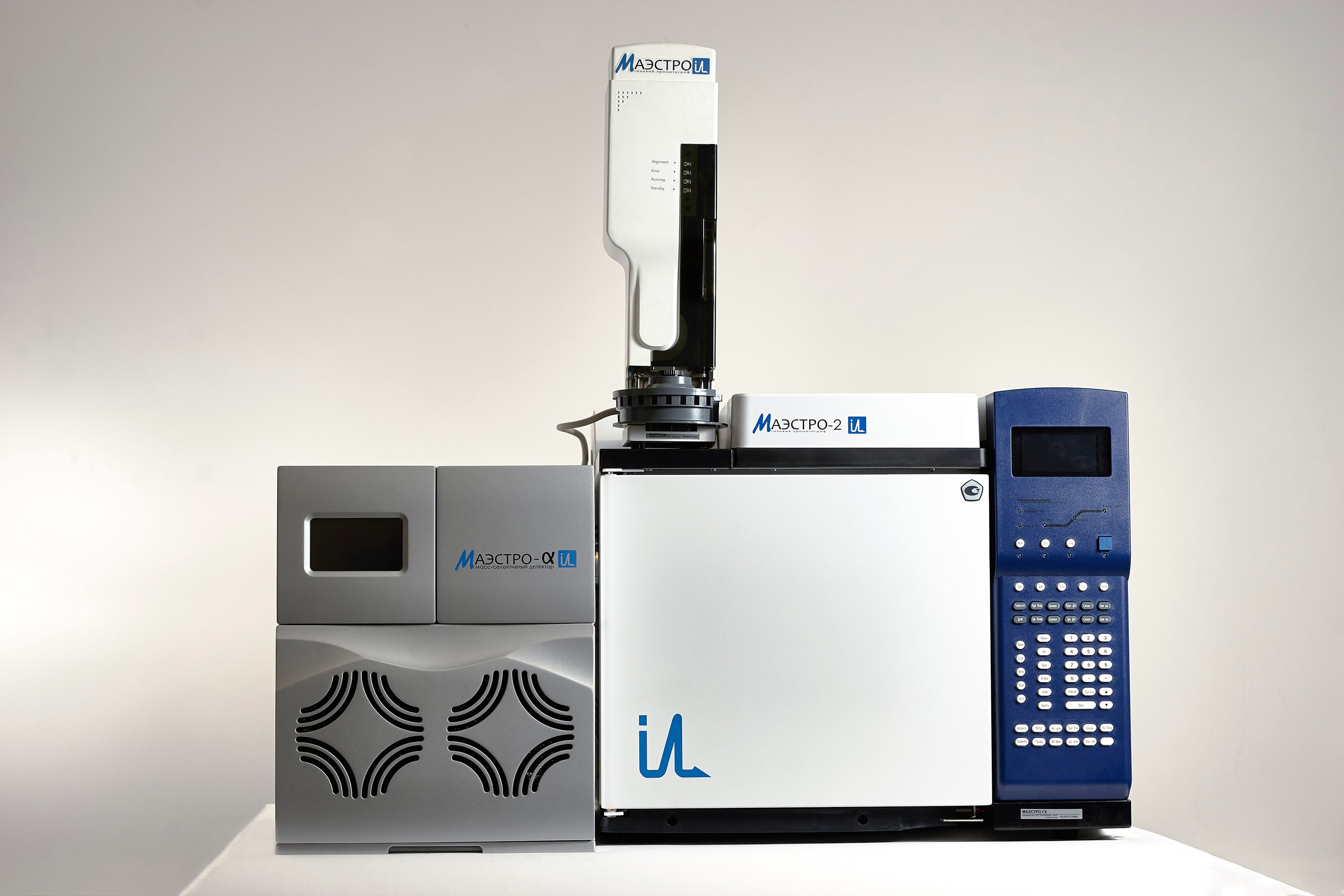
MAESTRO-αMS gas chromatograph by Interlab
We offer expert laboratories of physicochemical methods of analysis a gas chromatograph with a quadrupole mass spectrometric detector «MAESTRO-αMS». Quadrupole GC-MS «MAESTRO-αMS» is in demand for targeted research (screening) and non-targeted search. In targeted studies, it is necessary to detect given target compounds in samples of various nature and origin at the level of residual amounts, for example, several picograms of the target compound in the injected 1 μl of liquid sample. Most often, targeted research is carried out in the following areas of laboratory screening: ecology, food safety, clinical monitoring, narcology, doping control, production control of various raw materials. In targeted studies, it is often required not only to confirm the presence of a compound in a sample, but also to determine the level of its content quantitatively, since both the list of target compounds and the permissible level of their presence in the sample are specified by regulatory documents. Quantitative analysis requires standards for the substances you are looking for. When conducting a non-target search, as a rule, it is required to analyze a sample of unknown composition, in other words, to find as many compounds as possible in the sample and identify (identify) each of them. Since the identification of a detected compound is carried out by comparing its experimental mass spectrum with the spectrum of a pure substance obtained under standard conditions, this task requires reference libraries of mass spectra of pure substances, as well as tools for working with mass spectra, for example: algorithms for cleaning experimental mass spectra from background and spectral noise (mass spectrum deconvolution algorithms), library search and comparison algorithms. An off-target search is called a qualitative analysis, since the researcher is primarily interested in the list of detected substances, and not in the quantitative assessment of their content in the sample. When creating MAESTRO-αMS, we took into account our own many years of experience in operating imported analogues. We have made the device inexpensive. We have made the device compact: The modern design of the device made it possible to make the MAESTRO-αMS really compact, so that the device occupies the smallest possible area on the laboratory table. The layout of the device allows you to remove the ion source on the front flange for cleaning and replacing the cathodes, if necessary. We have reduced the cost of operation: When developing the MAESTRO-αMS, we sought to increase the resistance of the device to sample matrices and use a minimum of consumable materials in order to eliminate downtime for maintenance and replacement. As a result, we have created an extremely stable ion source and a perpetual photomultiplier detector. We have created special software: Even at the first acquaintance with the software, it becomes obvious that being in the window of each button and each parameter to be changed is expedient and logical. Our software product was created for the convenience of the operator, so we implemented the necessary and eliminated the unnecessary. We used the principle of one active window, in which the operator moves sequentially step by step, performing hardware settings, setting the data collection method, subsequent processing algorithms, templates for presenting the results. MAESTRO-αMS offers a wide range of scanning modes, built-in algorithms for working with mass spectral data, convenient unloading of initial data arrays for their processing in specialized software packages, graphics export for presentations and scientific publications. You can use several libraries of mass spectra at the same time, or create your own for your typical tasks. Finally, we provide a 5-day training course for professionals who want to understand the theoretical foundations of the method and their implementation in the hardware of modern quadrupole GC/MS. The volume and depth of presentation of the material from the developers of the device is intended to lay the foundation for the effective use of «MAESTRO-αMS» in the future. Some technical characteristics of MAESTRO-αMS: • Instrumental detection limit (SIM, OFN @272 m/z ) < 10 fg; • Scan modes: scan for selected ions, full scan in a given mass range, combined scan mode; • The number of simultaneously connected libraries of mass spectra is at least 10.
INTERLAB
Moscow
Produced in: Moscow