Catalog
Search
619 products
View:
- Selected: 1Areas of use
- Selected: 0Item names
- Selected: 0Manufacturer
- Selected: 0Made in
- Selected: 0Additional
View:
619 products
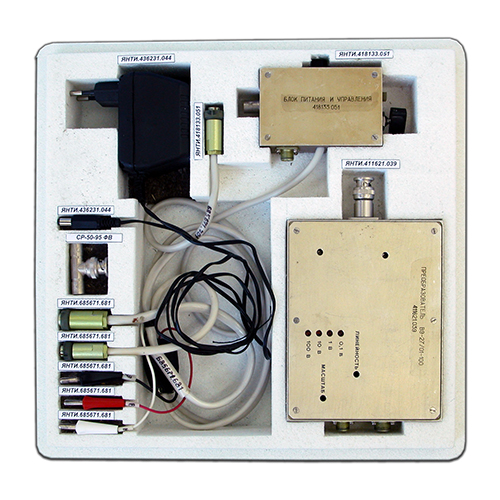
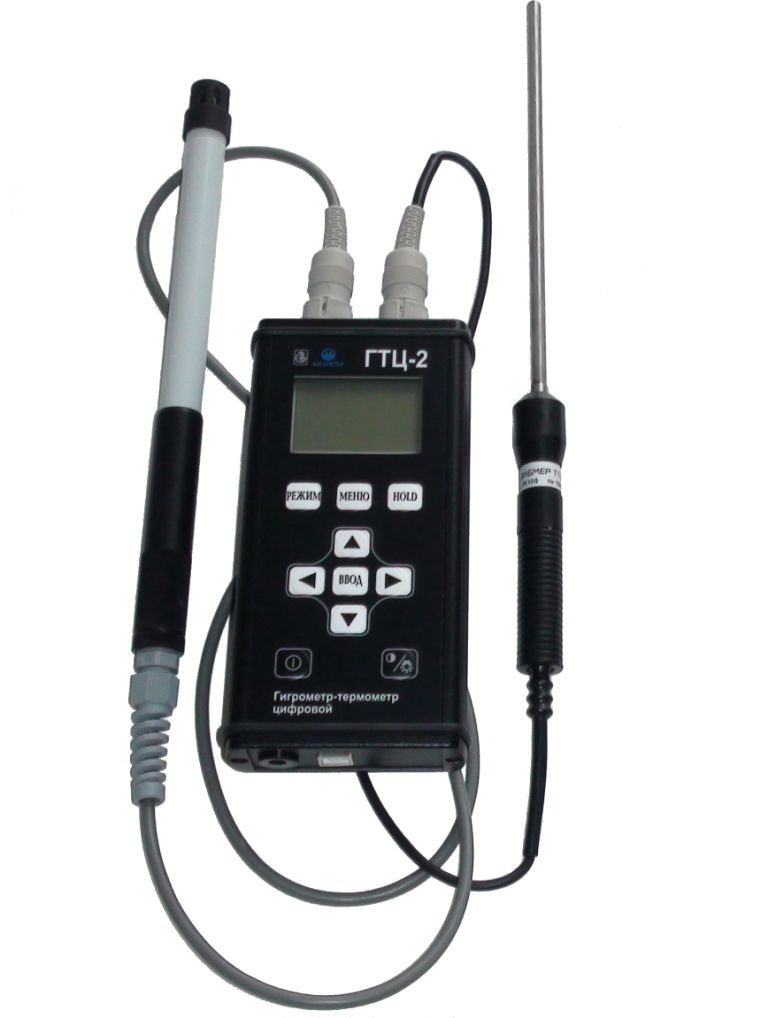
Sound and Vibration Analyzer ASHV-004
Designed for measuring and spectral analysis of sound and vibration.
Description:
Small dimensions and weight
High measurement accuracy
(Class I according to IEC 61672-1:2002)
Three-channel vibration parameter meter
Built-in digital octave and third octave filters
USB interface
Graphic LCD display with backlight
Powered by the built-in battery or network adapter.
MNIPI
Minsk
Produced in: Belarus, Minsk
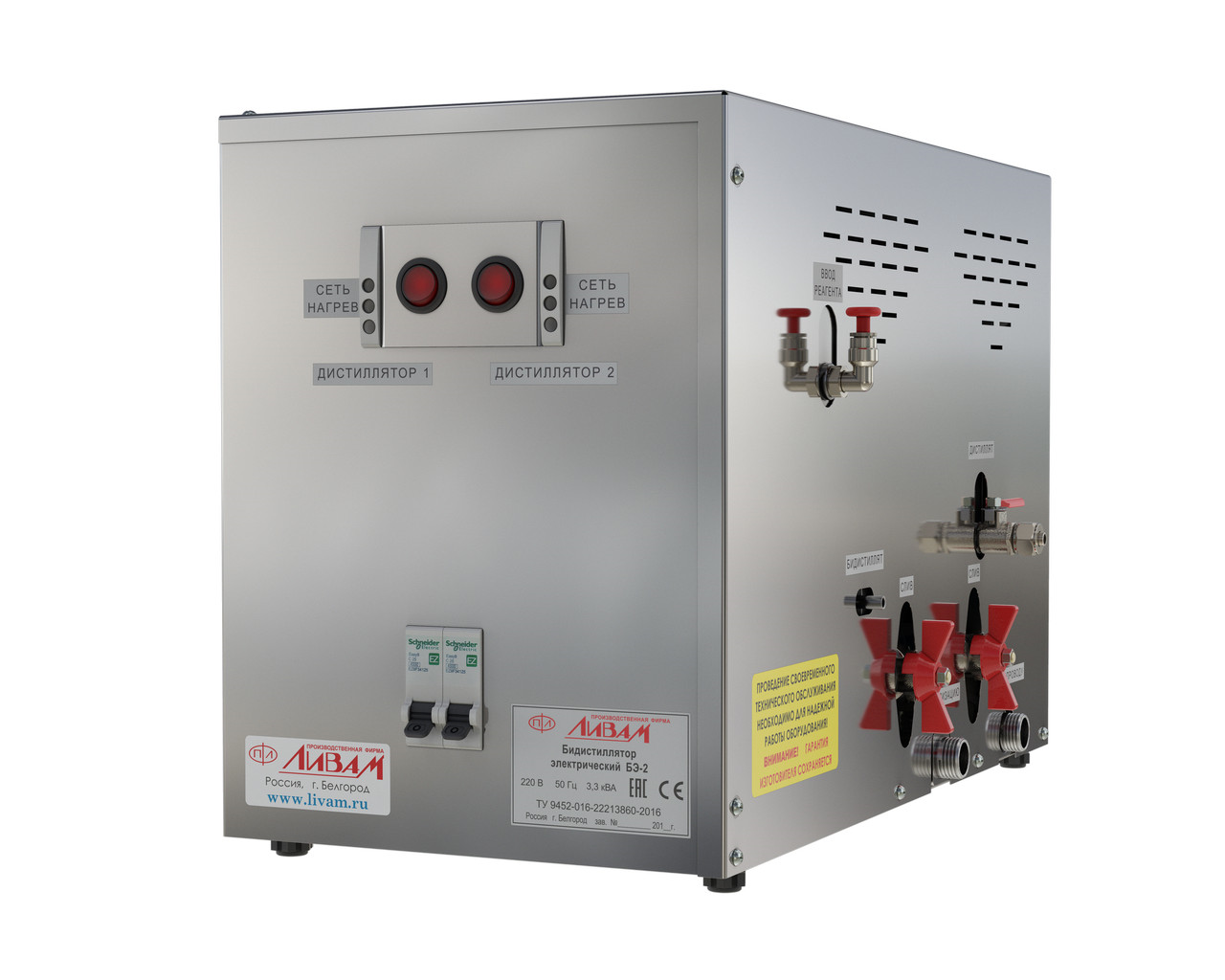
BE-2 laboratory bidistillator
from
97 200 ₽
Purpose: obtaining distilled water of type 2 according to GOST R 58144-2018 "Distilled water", FS.2.2.0019.18 "Water for injection"
Capacity:
distillate: 2.6 (-10%) l/h, bidistillate: 2.0 (-10%) l/h
Heating elements:
1st stage of distillation: Heating element 2.0 kW 220V (stainless steel) – 1 pc., 2nd stage of distillation: Heating element 1.3 kW 220V (stainless steel) – 1 pc.
The quality of the produced water:
GOST R 58144-2018 "Distilled water", FS.2.2.0019.18 "Water for injection"
Type of current, frequency, voltage: alternating, single-phase, 50 Hz, 220 V
Power consumption: in distillate production mode: 2.0 kW, in bidistillate production mode: 3.3 kW
Overall dimensions (L×W×C), mm: 470×280×300
Weight: 14.5 kg
Warranty period: 12 months from the date of sale
Electrical conductivity of the produced water:
bidistillate: 1.0-1.2 microns/cm, distillate: no more than 5.0 microns/cm
The temperature of the produced water: distillate: from 70 to 85 ° C, bidistillate: no more than 40 ° C
Source water consumption (at t of water 10 ° C) in the distillate production mode: 20 (±10%) l/h, in the bidistillate production mode: 44 (±10%) l/h
Source water pressure: 0.1-0.4 MPa
Version: desktop with adjustable supports,
Wall mounting is possible
Coefficient of water purification from radionuclides: at least
4000
Service life: at least 8 years
Livam
Belgorod
Produced in: Belgorod
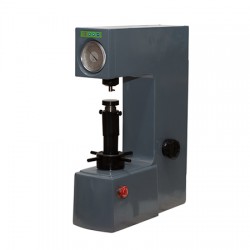
Metolab 101 Rockwell Hardness Tester
METOLAB 101 is an analog stationary hardness tester according to the Rockwell method, a modification of the METOLAB 100 hardness tester with an electromechanical loading system. The rest of the devices are identical.
The stationary METOLAB 101 hardness tester is designed to measure the hardness of various materials using the Rockwell method, HRA, HRB and HRC scales. Due to its ease of operation, the stationary METOLAB 100 hardness tester can find its application in a wide variety of industries and production, as well as in educational institutions of various levels in the training of specialists.
The stationary METOLAB 101 Rockwell hardness tester is included in the State Register of Measuring Instruments of Russia (GRSI) and comes with a certificate of primary verification (on request). The number in the GRSI is 65128-16.
Distinctive features of the stationary METOLAB 101 Rockwell hardness tester:
Simplicity and convenience in both operation and maintenance;
Wide range of measured values;
High degree of reliability;
Low cost of measurements compared to competitors.
Basic delivery package:
Stationary METOLAB 101 hardness tester;
Indenter with a ball (1.5875 mm) - 1 pc.;
Conical diamond indenter (120°) - 1 pc.;
Flat table SP1 (60 mm);
V-shaped prismatic table SRP1 (40 mm);
Rockwell hardness measures - 1 set;
User Manual.
Additional information: GOST standards and regulatory documents establishing requirements for the METOLAB 101 Rockwell hardness tester:
GOST 8.064-94 GSI. State verification scheme for hardness measuring instruments on the Rockwell and Super-Rockwell scales;
GOST 9013-59 Metals and alloys. Rockwell hardness measurement method. Scales A, B, C;
GOST 22975-78 Metals and alloys. Rockwell hardness measurement method at low loads (Super-Rockwell);
GOST 23677-79 Hardness testers for metals. General technical requirements.
Metolab
Moscow
Produced in: Moscow
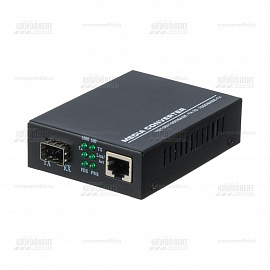
Media Converter SFP - SFP MCSFP2 - SFP
from
2 193 ₽
A media converter is used as a converter that converts one signal transmission medium into another. The data transmission medium means optical and copper cable. The scope of application – FastEthernet and GigabitEthernet protocols, STM-1 and STM-4. Media converters are characterized by a number of parameters, by setting that you can choose the optimal network equipment for solving a specific task.
The possibility to control the device;
Installation location;
Properties of the optical receiver-transmitter;
Supported transfer rate.
FTI-Optronik
Saint Petersburg
Produced in: Saint Petersburg
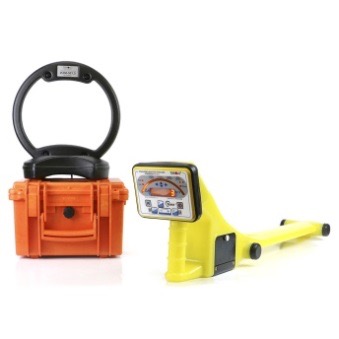
Trace Searcher Success AG-308.60N
from
205 800 ₽
A trace searching kit for finding underground utilities (cable lines, metal pipelines, and other communications made of conductive materials).
The kit includes a receiver in the form of a monoblock with LED indication, as well as a generator with increased power up to 180 watts and a range of up to 5 km.
Connection to the desired route is possible both by contact and contactless method.
TEKHNO-AS
Kolomna
Produced in: Kolomna, Moscow region
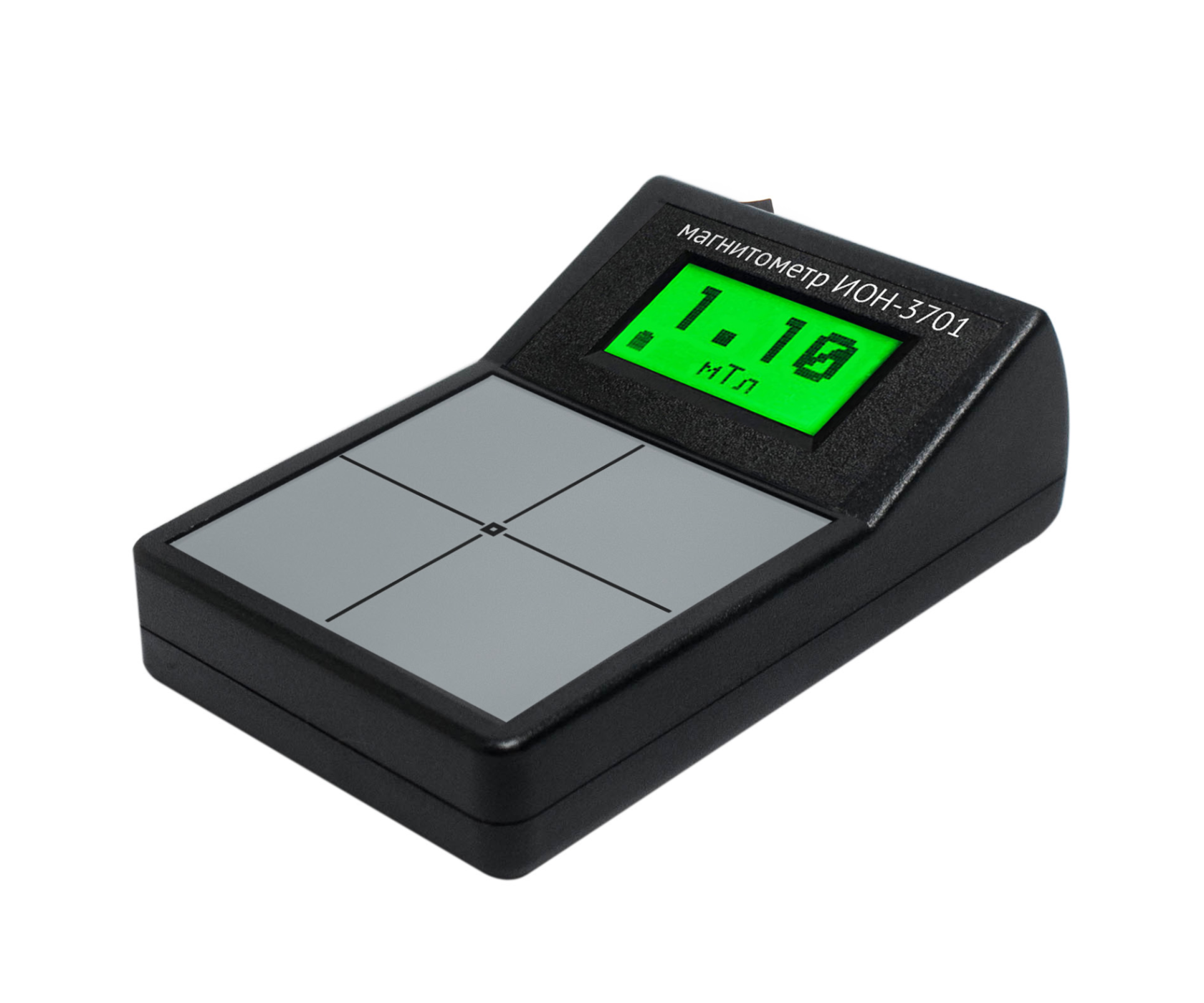
Magnetometer - Measuring Residual Magnetization ION-3701 Conveyor
It is a modern high-precision device (a variant of the ION-3701 device) and used for a wide range of tasks in areas where it is necessary to determine the magnitude of the magnetic field and residual magnetization in shop conditions, on the conveyor, during acceptance and inspection of parts and workpieces. It is equipped with a three-dimensional magnetic field sensor and has outstanding technical characteristics and extensive functionality.
NPP "ELEKTRONNYE PRIBORY"
Naberezhnye Chelny
Produced in: Tatarstan, Naberezhnye Chelny
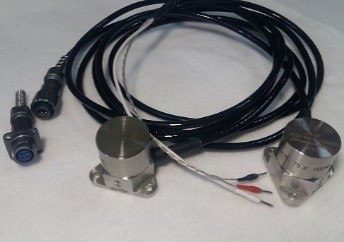
Vibration velocity sensors with current output DVST-2
Vibration velocity sensors with a current output DVST-2 are designed to convert the RMS value of the vibration velocity of an object into a standard current signal of 4-20 mA.
VIBROPRIBOR
Yaroslavl
Produced in: Yaroslavl
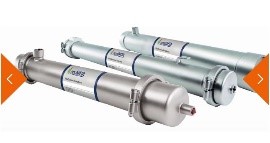
Membrane nitrogen generators
A membrane nitrogen generator is a special equipment designed to produce gaseous nitrogen from atmospheric air by the method of membrane separation. The gas separation process proceeds due to the different penetration rates of the components of the gas mixture through the polymer membranes due to the differential partial pressures on both sides. During the separation of compressed air, impenetrable nitrogen passes along the entire length of the membrane module and enters the consumer, and oxygen, which has better permeability through the membrane, is discharged into the atmosphere as permeate. At the output, we get a gas mixture with a nitrogen content of up to 99.9%.
The main components of the membrane generator are: membrane modules placed on a support frame-base together with auxiliary components (valves, regulators), respectively connected to each other. The generator is equipped with an automatic control system to control the parameters of the gas mixture separation process.
PROVITA
Saint Petersburg
Produced in: Saint Petersburg
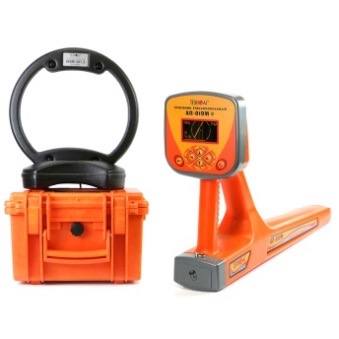
Trace Searcher Success AG-309.15M (frost-resistant)
from
186 990 ₽
The trace searching kit is designed to accurately determine the location and depth of underground utilities (power and signal cable lines, reinforced fiber-optic lines, pipelines made of electrically conductive materials), troubleshooting cable lines, and also allows you to conduct a survey of the area in the shortest possible time and with great reliability before excavation and to prevent damage to engineering communications.
As part of the kit, the receiver is in the form of a monoblock with a frost-resistant LCD display, which displays an image of the route and automatically calculates the depth of the communication up to 10 m, as well as the current in the line.
Compact stand-alone generator with display and built-in induction antenna.
The output power of the generator is up to 20 watts and the range of operation is up to 3 km.
TEKHNO-AS
Kolomna
Produced in: Kolomna, Moscow region
Green DPSS Laser 505 nm KLM-505-x
DPSS lasers of the KLM-505/x series are optimal sources of coherent radiation for the construction of control and automation systems, alignment and marking devices, for scientific and medical purposes
FTI-Optronik
Saint Petersburg
Produced in: Saint Petersburg
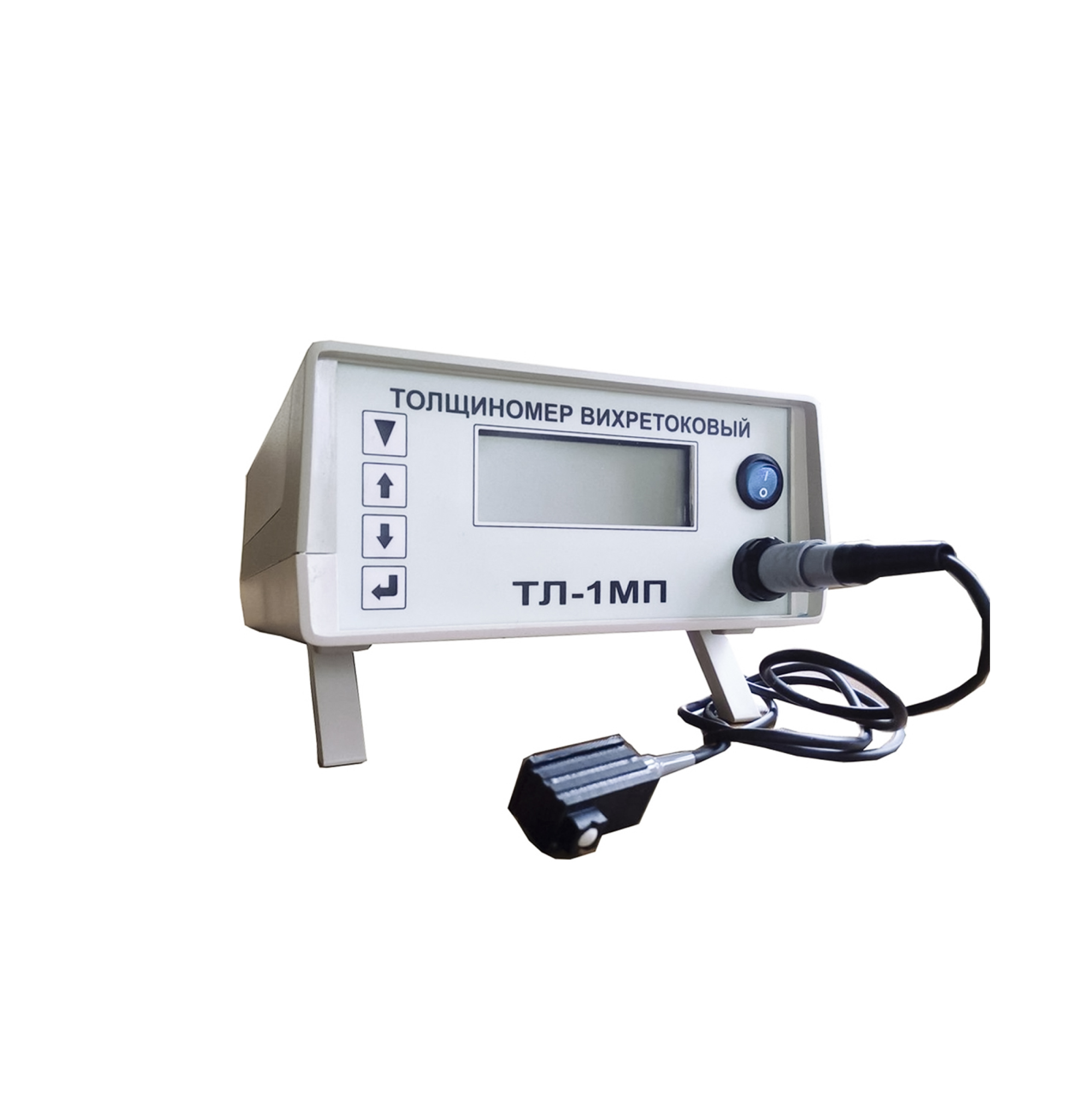
TL-1MP Eddy Current Thickness Gauge
from
1 110 000 ₽
The principle of operation of the electroplating thickness gauge:
A converter with an induction coil on a ferrite core generates a high-frequency signal (frequency 1 MHz), which is used to create an alternating magnetic field. As the converter approaches the conductive surface, an alternating magnetic field creates eddy currents, the magnitude of which depends on the characteristics of the metal base and the thickness of the coating. In turn, eddy currents create their own electromagnetic field, which can be received by an induction coil. The resulting signal enters the amplitude detector, after which it is transmitted to the processing unit, where it is digitized and displayed on the device readout. In addition to signal conversion, the processor is used to set the required gain, as well as the initial voltage offset, depending on the characteristics of the materials in the controlled object.
Features of the device design and advantages of the measurement method
The TL-1MP eddy current thickness gauge consists of an electronic unit with a display, a power supply and a converter. The device is controlled using four buttons located on the front panel of the electronic unit. The converter can be disconnected from the electronic unit during transportation or for convenience of storage. The advantages of the device include:
- convenience and ease of operation;
- small size and light weight, allowing the TL-1MP to be used in difficult conditions with limited access to the controlled area of the facility;
- high measurement accuracy;
- factory setting of the measuring instrument to the customer's requirements;
- high degree of localization of defects due to the small size of the converter.
Scope of application:
The service life of metal parts and components of mechanisms used in mechanical engineering is largely determined by their resistance to corrosion and surface wear. However, not all metals are sufficiently resistant to external destructive influences. Therefore, various electroplating coatings made of zinc, nickel, chromium, cadmium, tin, copper, silver and other metals are used to protect them. Even small fluctuations in the thickness of protective coatings can significantly affect the performance characteristics of parts, their service life, and interaction with other components. Therefore, measuring the thickness of the metal coating applied by the electrochemical method is important when conducting quality control of products. The use of the TL-1MP eddy current thickness gauge allows non-destructive quality control of electroplating coatings on the surface of metal parts in mass production conditions with special requirements for product quality. The device detects even small mechanical defects, the effects of abrasion, erosion, corrosion on the surface. Due to its ease of use, efficiency and reliability, eddy current thickness measurement is a standard method of quality control of products with electroplated coatings in such industries as mechanical engineering, aerospace industry.
RII MNPO SPEKTR
Moscow
Produced in: Moscow