Catalog
Search
431 products
View:
- Selected: 1Areas of use
- Selected: 0Item names
- Selected: 0Manufacturer
- Selected: 0Made in
- Selected: 0Additional
View:
431 products
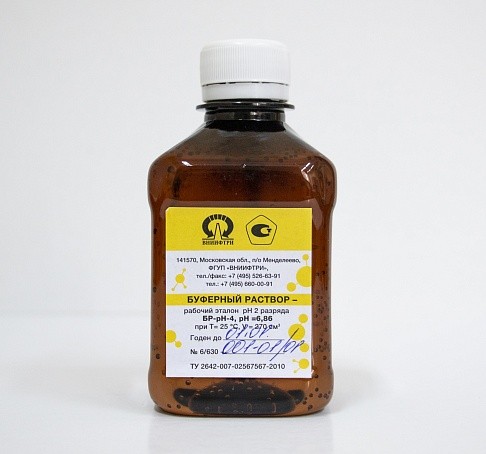
Buffer solutions with precise pH
from
700 ₽
VNIIFTRI
Mendeleevo
Produced in: Mendeleevo, Moscow region

X-ray fluorescence wavelength dispersive flowstream pulp, suspension and solution analyzer AR-35
The AP-35 analyzer is a fully automated analytical complex designed for continuous X-ray fluorescence analysis of the chemical composition of slurries and solutions in flow. The instrument has a movable software-controlled measuring head with an X-ray tube and fixed spectrometric channels (up to 8), each of which can be set up for any chemical element (from Ca to U). In operation, up to 15 flow cells are measured by the head according to a preset program.
Multi channel capability (up to 15 products to be measured).
Compatibility with automation systems for sampling, sample delivery, data handling and presentation, data archiving.
Link to factory process control system
High expressiveness, high analytical precision, low detection limits, reproducibility
High reliability.
The principle of operation is based on the excited fluorescence produced by the atoms of the material under analysis through the radiation of an X-ray tube. The fluorescence radiation of a particular chemical element is picked up by the crystal analyzer, and then the radiation at a specific wavelength is detected by an X-ray tube detector. The intensity of the recorded fluorescence radiation of a certain wavelength is directly proportional to the mass fraction of the chemical element in the substance under study.
Burevestnik
Kolomyagi
Produced in: Saint Petersburg
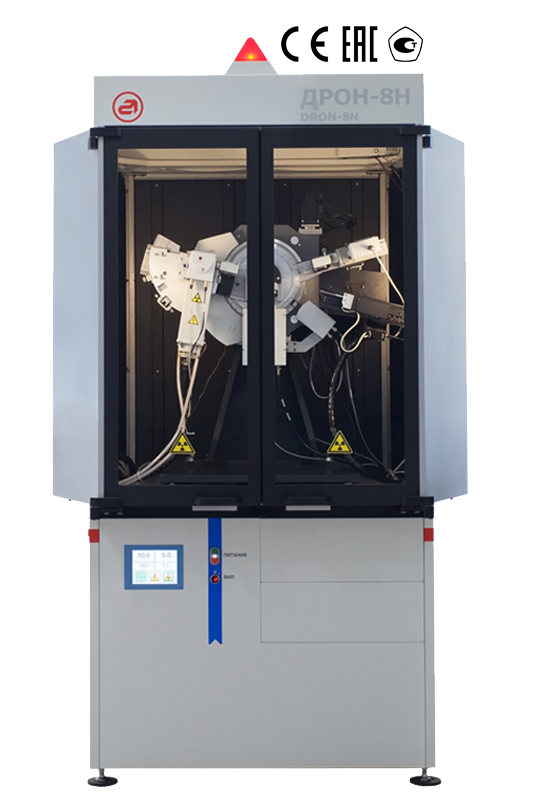
Multipurpose X-ray diffractometer DRONE-8 (8H)
The multifunctional X-ray diffractometer DRON-8 (8H) with a vertical theta goniometer and the horizontal position of the sample allows X-ray diffraction analysis of the phase composition, structural state and orientation of a wide range of objects of various shapes and sizes.
Burevestnik
Kolomyagi
Produced in: Saint Petersburg
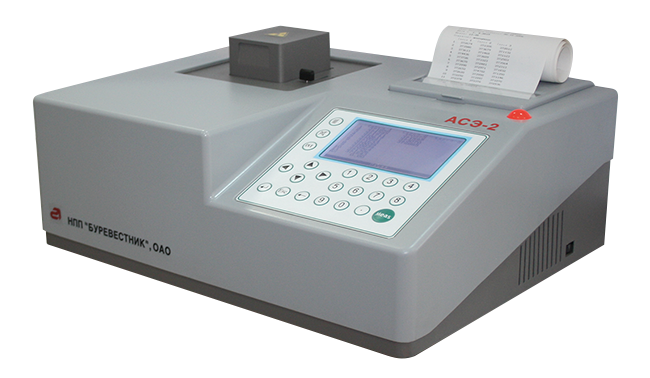
Energy dispersive sulfur-in-oil analyzer ASE-2
The ASE-2 energy dispersive sulfur analyzer is designed to measure the mass fraction of sulfur in unleaded gasoline, diesel fuel, crude oil, kerosene, oil residues, lubricating oil bases, hydraulic oils, jet fuels and other distillate oil products.
X-ray radiation from a low-power X-ray tube, converted by a primary radiation filter, excites fluorescence emission from the atoms of the sample being analyzed. The fluxes (primary X-rays scattered on the sample and secondary fluorescence) of radiation fall on a gas proportional counter, whereby the fluorescence radiation of sulfur atoms (SKa) is separated from the radiation with other energies by means of selective filters. The intensity of the fluorescence emission of sulfur atoms registered by the gas proportional counter is proportional to the mass fraction of sulfur in the analyzed sample.
Burevestnik
Kolomyagi
Produced in: Saint Petersburg
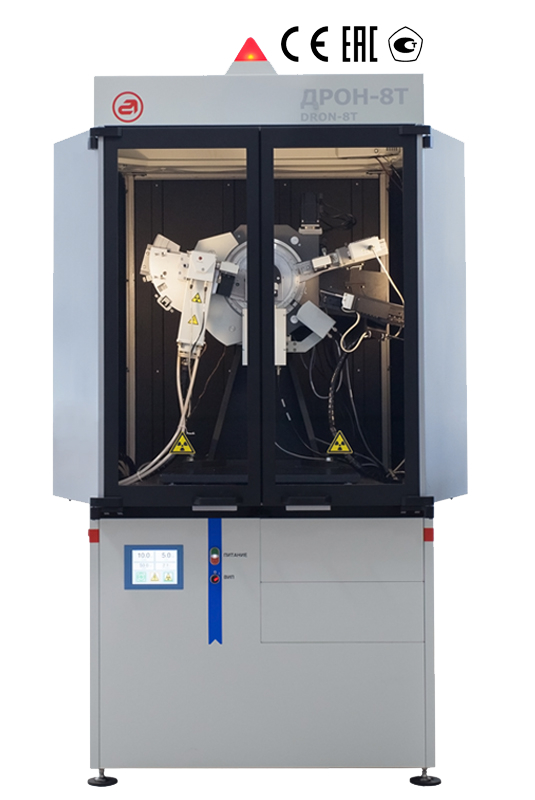
Multipurpose X-ray diffractometer DRONE-8T
The X-ray diffractometer DRON–8T is the flagship model of the line of stationary X-ray diffractometers of JSC IC Burevestnik. It is equipped with a high-precision wide-angle vertical goniometer with an angular reproducibility of 0.0001° and is designed mainly for the study of highly perfect crystalline objects (single crystals, epitaxial films) in high-resolution geometry.
Burevestnik
Kolomyagi
Produced in: Saint Petersburg
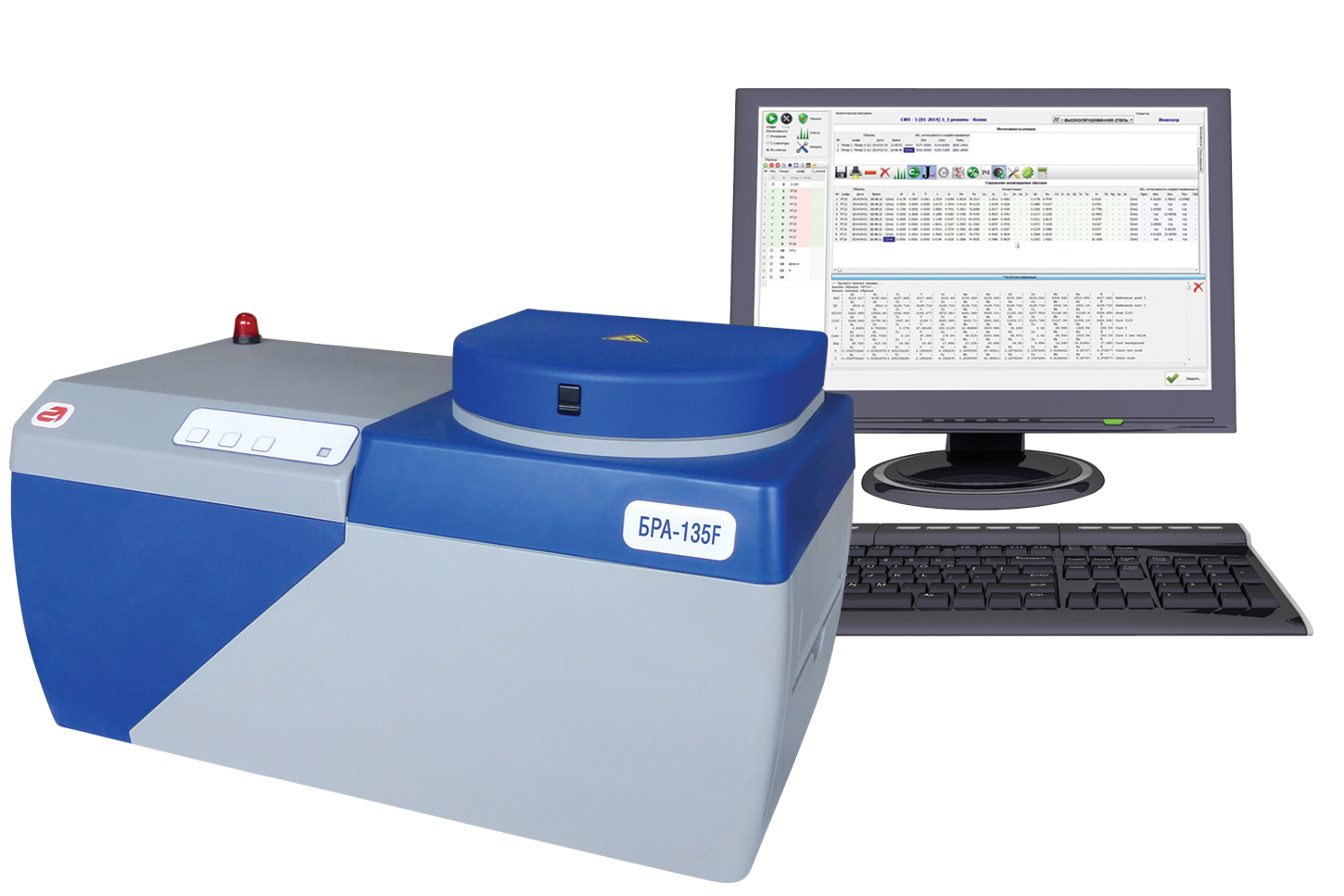
Universal energy dispersive X-ray fluorescence spectrometer BRA-135F
The XRF analyzer BRA-135F is an energy dispersive spectrometer which can simultaneously determine the presence of up to twenty chemical elements - from 9F to 92U - in the analyzed sample. Samples can be in liquid, solid, powdered or deposited on a substrate. The analyzer captures concentrations from tenths of mg/kg.
The model BRA-135F performs quantitative/semi-quantitative spectral analysis of steel and alloys. It also performs spectral analysis of oil, petroleum and other petroleum products, detecting in their composition even the smallest concentrations of impurities of various metals.
The vacuum sample chamber and ultra-slim detector inlet provides a low detection limit in the range of light elements from 9F to 17Cl.
The high-performance silicon drift detector (SDD) with an energy resolution of less than 135eV allows the separation of spectral lines of almost all elements, which makes the analysis of complex multicomponent substances (high-alloy steels, precision alloys, polymetallic ores, etc.) possible.
Burevestnik
Kolomyagi
Produced in: Saint Petersburg
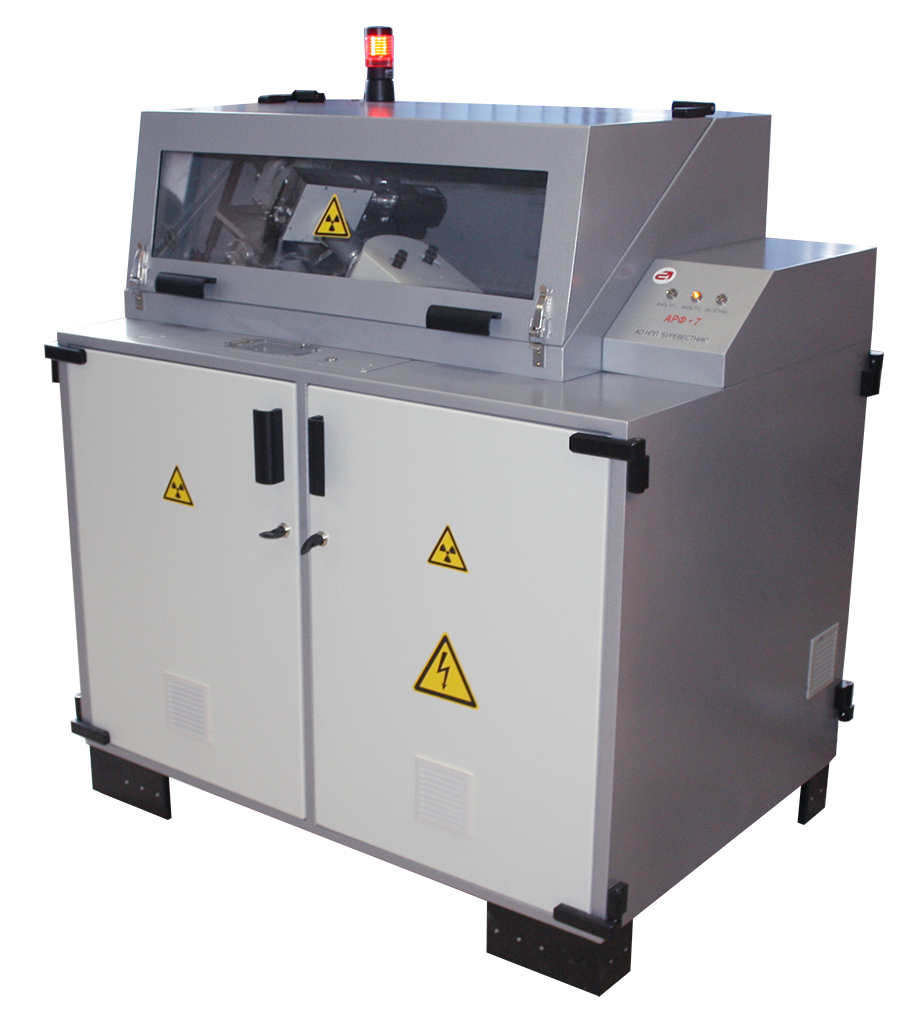
Specialized X-ray wavelength dispersive analyzer ARF-7
Specialized wavelength-dispersive XRF analyzer based on the Cochois scheme is designed for high-precision determination of chemical elements U, Th, Mo, Au, W, Tl, As, Pb as well as other elements in ores, rocks and when developing the technogenic fields.
Possibility to determine groups of elements without readjustment of crystal-analyzer.
Exceptionally high resolution of the Koshua X-ray optical scheme with crystal-analyzer quartz 1011.
Developed mathematical support.
Principle of analyzer operation is based on the excitation of the fluorescent radiation of sample atoms being under examination by radiation coming from an X-ray tube. Spectrum decomposition of the fluorescence radiation is performed according to Cauchois method. The fluorescence radiation focused by analyzing crystal and standard line are marked on Rowland focal circle. Then, they are recorded by X-ray radiation detector in turn. The intensity of the fluorescent irradiation with a particular wavelength is directly proportional to the chemical element concentration in the material under examination.
Burevestnik
Kolomyagi
Produced in: Saint Petersburg
Desktop Diffractometer HUMMINGBIRD
The device is designed to analyze the phase composition and structural state of polycrystalline objects of various origins.
Burevestnik
Kolomyagi
Produced in: Saint Petersburg
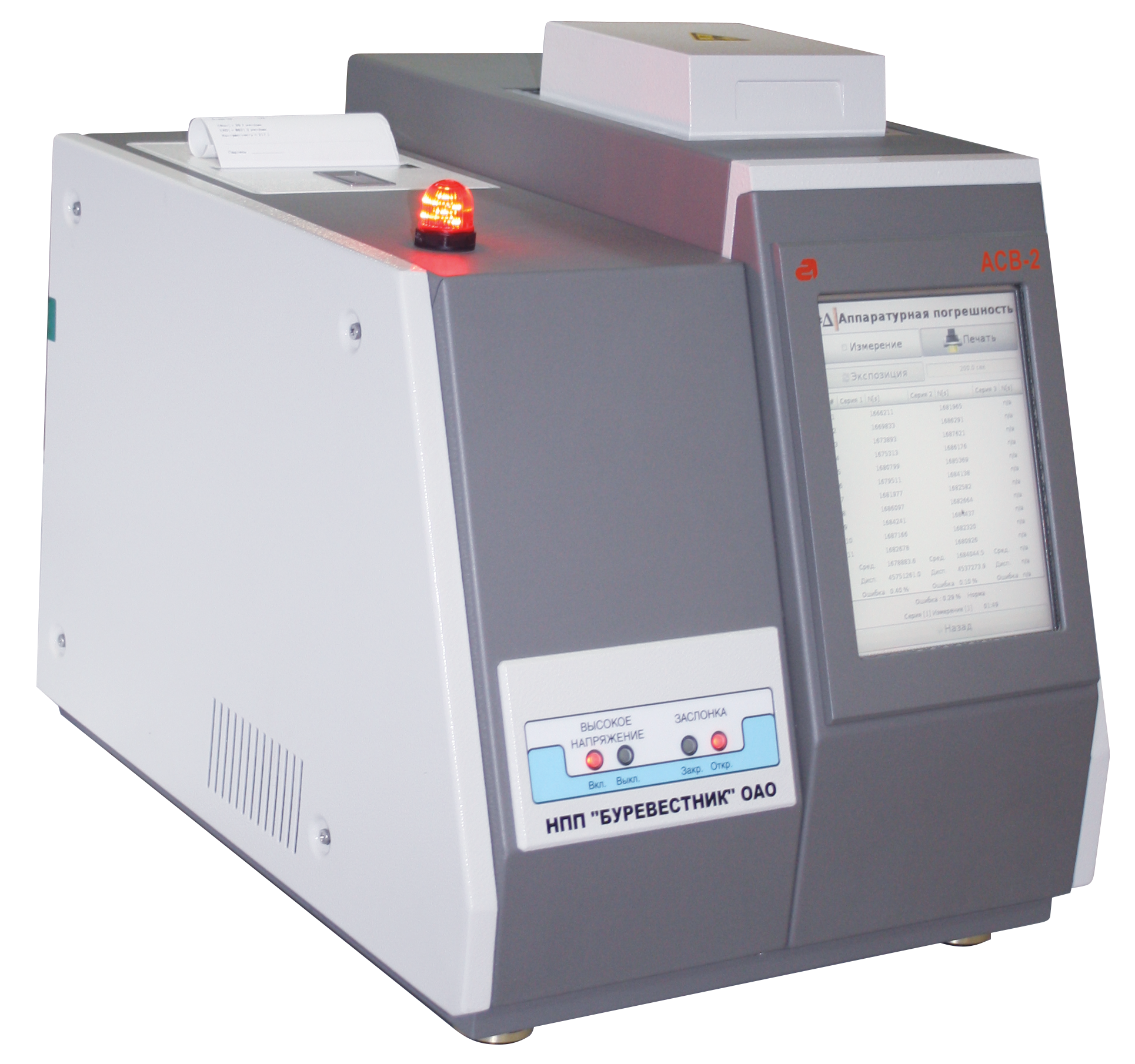
Wavelegth dispersive sulfur-in-oil analyzer ASV-2
The sulfur analyzer ASV-2 is designed to measure the mass fraction of sulfur in gasoline (unleaded), diesel fuel, oil, kerosene, oil residues, lubricating oil bases, hydraulic oils, jet fuels, crude oil and other distillate oil products.
The ASV-2 analyzer allows to perform the functions of determining sulfur both in the vacuum mode of the measuring chamber and in the helium purge mode. For this purpose the device is equipped with a set of accessories for connection of the analyzer to the helium post.
Burevestnik
Kolomyagi
Produced in: Saint Petersburg
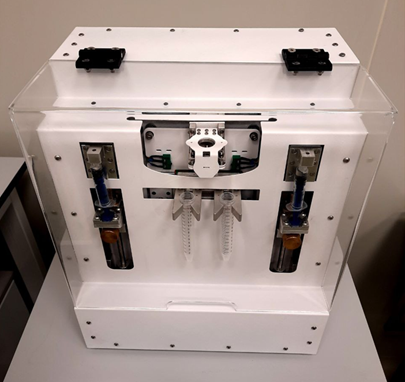
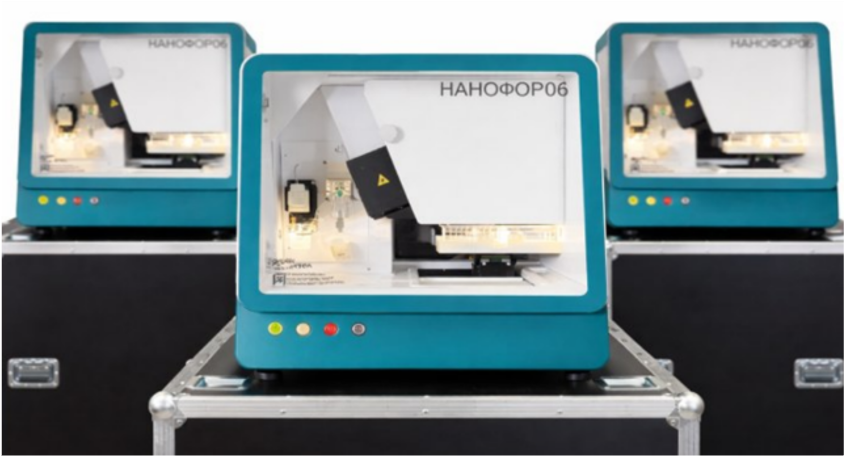
RNA Vaccine production System
1 supp.
It allows the generation of lipid particles for their subsequent use in the creation of RNA vaccines.
The Russian equivalent of Nanoassembler systems.
Abisens
Sirius
Produced in: Krasnodar region

Optical imaging system for fluorescence and luminescence in LumoTrace® biological samples: LumoTrace® Lite model (bioluminescence)
The lowest cost and most compact version of the LumoTrace® Optical Imaging System manufactured by Abisens LLC for sensitive bioluminescence detection.
The compactness and low price of the LumoTrace®Lite imaging system are due to the fact that it allows only bioluminescence to be recorded (older models, in addition to bioluminescence, allow fluorescence to be recorded, and are also modular, which provides them with the opportunity to upgrade). Despite its compactness and relatively low price, this model is equipped with a new highly sensitive digital camera HICMOS manufactured by Abisens LLC, which allows recording ultra-small amounts of phosphor both in laboratory animals in vivo and in vitro experiments.
The device is an indispensable tool for conducting preclinical studies on the way to the introduction of advanced drugs, in the implementation of non-invasive monitoring of the development of socially significant diseases, monitoring the effectiveness of immuno- and gene therapy,
Abisens
Sirius
Produced in: Krasnodar region