Language selection
В настоящее время портал работает - ведутся технические работы.
Catalog
Search
485 products
View:
- Selected: 0Areas of use
- Selected: 0Item names
- Selected: 0Manufacturer
- Selected: 0Made in
- Selected: 1Additional
View:
485 products
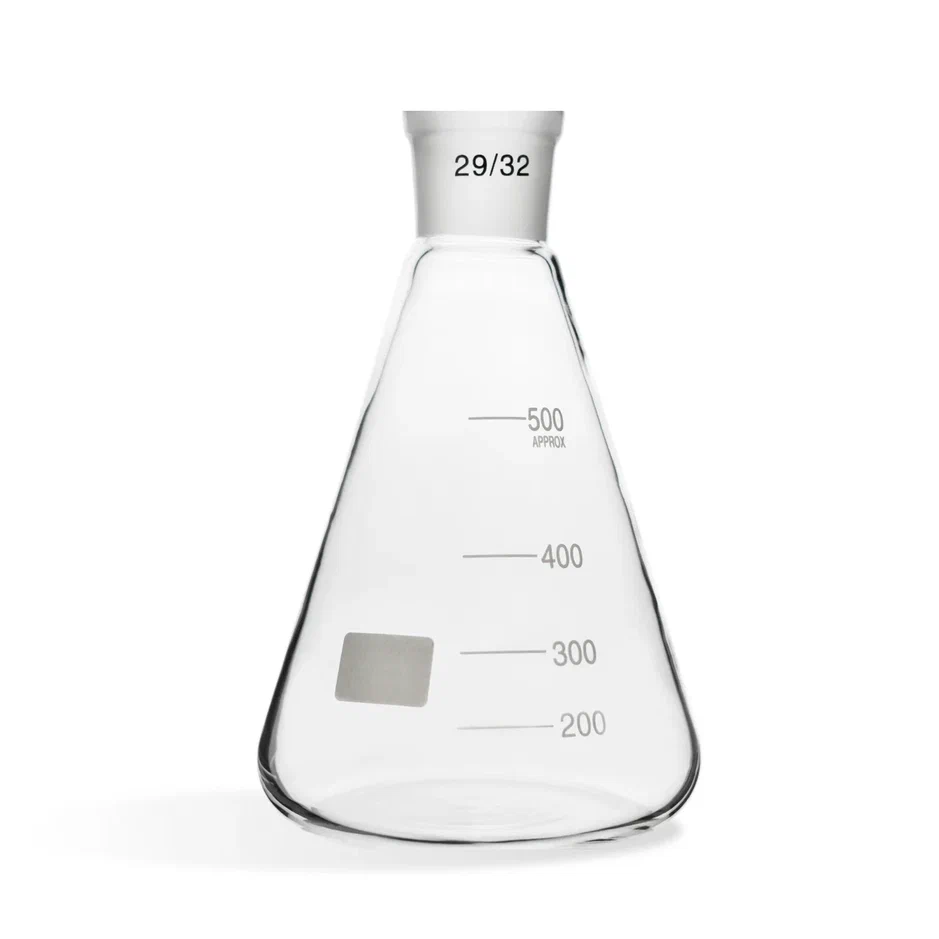
Conical flask KN-1-100-29/32 with divisions Primelab, TS
from
355 ₽
Conical flask KN-1-100-29/32 with Primelab divisions is intended for laboratory processes. Designed to work with liquid substances whose volume does not exceed 100 ml. For accurate measurements, a measuring scale is applied to the wall. The flask is made of heat-resistant glass in an easy-to-use form with a stable base. A grinding joint is provided with which the flask is securely attached to the equipment.
Characteristics:
• Base diameter - 64 mm
• Section size - 29/32
• Height - 105 mm.
Primelab
Mytishchi
Produced in: Mytishchi, Moscow region
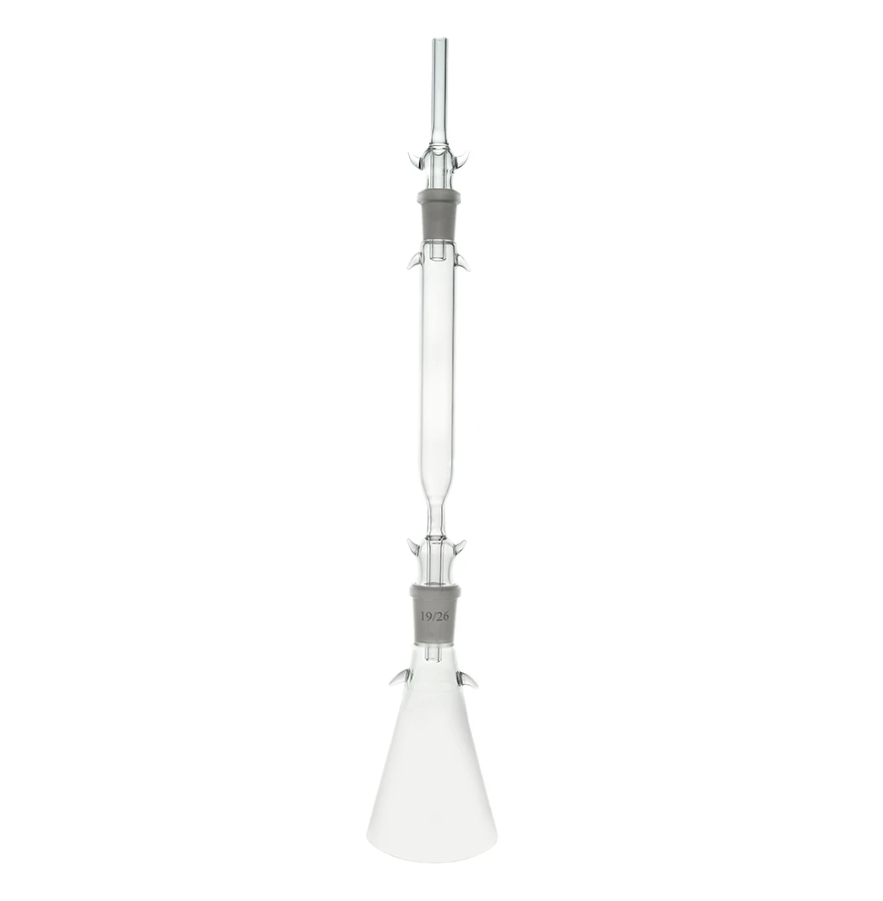
Sanger-Black Primelab apparatus
The Sanger-Black Primelab apparatus is a compact laboratory equipment that consists of several parts. This is a 100 ml flat-bottomed flask, a nozzle with a core, a rubber stopper and a pestle that fits through the stopper. The first and second parts are connected to each other using a 19/26 joint, which corresponds to GOST 8682-93. The equipment is designed for the quantitative determination of arsenic. The result of the reaction is a compound that produces color. The device is made of borosilicate glass and high-quality materials by Primelab. Its dimensions: 64x230 mm. It can be produced according to individual customer specifications.
Primelab
Mytishchi
Produced in: Mytishchi, Moscow region
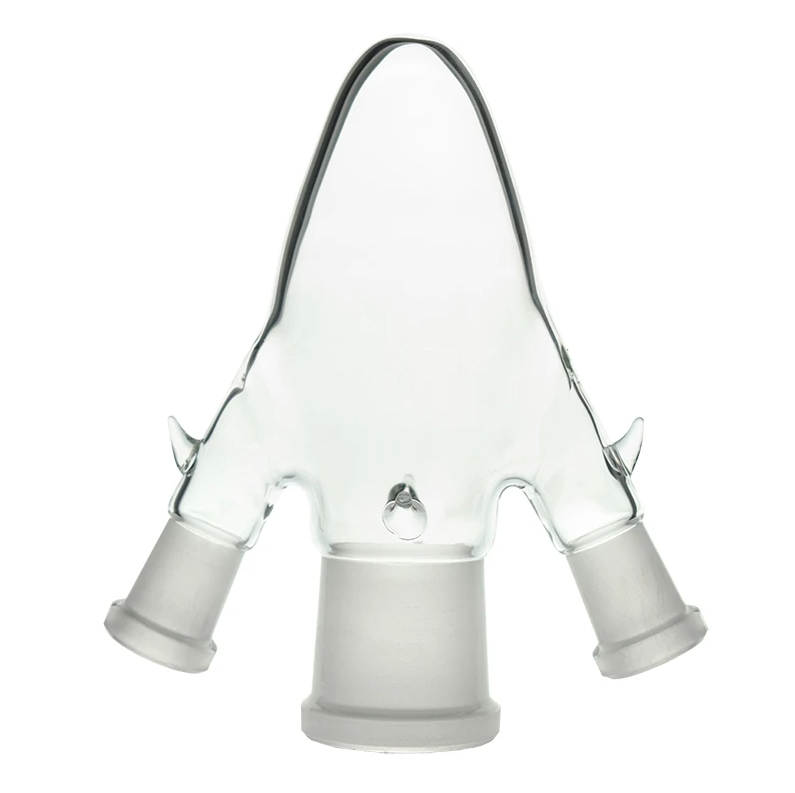
Pointed-bottomed flask with three necks Primelab
The sharp-bottomed flask with three necks was manufactured by PrimeLab. It is a universal laboratory accessory designed for distillation and complex chemical reactions. The presence of three necks allows you to simultaneously introduce three types of reagents, as well as connect to auxiliary equipment to expand functionality. The flask is made of borosilicate glass. Has excellent thermal and chemical resistance, suitable for intensive use.
Primelab
Mytishchi
Produced in: Mytishchi, Moscow region
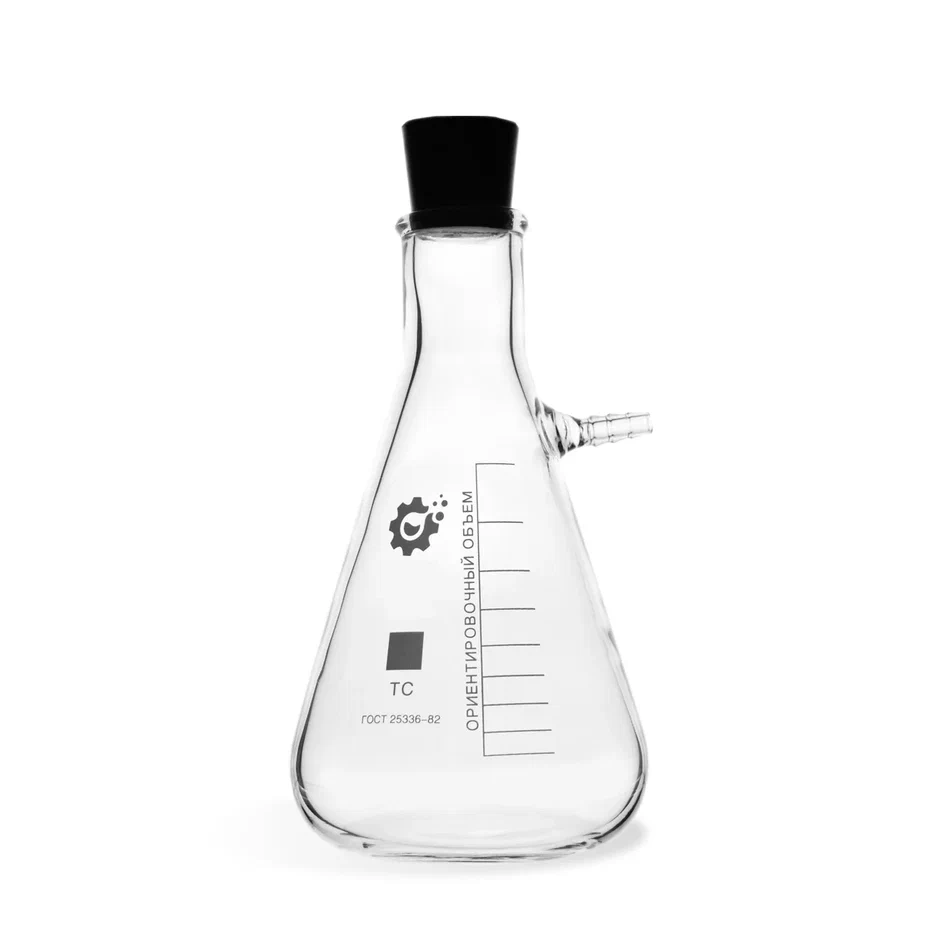
Bunsen flask 1-2500 with Primelab tube, stopper 40
from
2 121 ₽
Bunsen flask 1-2500 with Primelab tube, stopper 40 comes in a conical shape with a wide base providing excellent stability. There is an outlet with a diameter of 11 mm, at the end of which there are olives for a strong connection with soft hoses. The conical flask is made of borosilicate glass with thick walls, due to which it has a long service life and wear resistance. Holds up to 2500 ml of any substance with a height of the entire product of 290 mm.
Primelab
Mytishchi
Produced in: Mytishchi, Moscow region
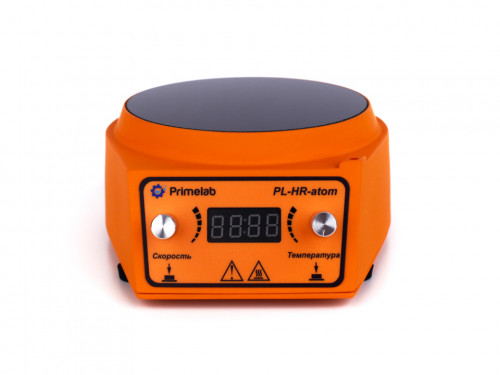
Magnetic stirrer with heating for 2 liters PL-RH-atom
from
19 000 ₽
Characteristics
Maximum heating temperature of the working surface, °C
150
A country
Russia
Overall dimensions, L×W×H, mm
165.5x148x64
Protection class acc. to DIN EN60529
IP21
Color
orange
Mixing
150-2000 rpm
Number of mixing places
1
Maximum volume of mixed liquid, l
2
Working surface of the plate (platform)
fireproof glass (glass ceramics)
Slab working surface size, LxW, mm
120x120 mm
Accuracy of maintaining the plate temperature, %
1
Displayed temperature resolution, °C
0.1
External temperature sensor
PT1000
Power consumption, W
300
Device weight, kg
0.9
Primelab
Mytishchi
Produced in: Mytishchi, Moscow region
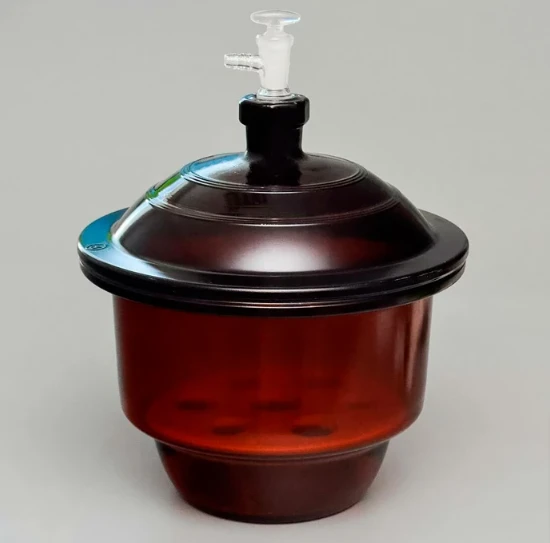
Desiccator 1-210 mm Primelab, with tap, dark glass
from
10 553 ₽
1 supp.
Desiccator 1-210 mm PrimeLab with tap is made of durable dark glass. Suitable for creating stable, low-humidity conditions for storing and drying light-sensitive substances. It can be connected to a vacuum pump. Desiccator 1-210 mm holds up to 4500 ml of substance of any consistency. Its diameter is 210 mm with an insert diameter of 176 mm. The container has a durable design and is quite easy to use. Features a long service life even with intensive use.
Primelab
Mytishchi
Produced in: Mytishchi, Moscow region
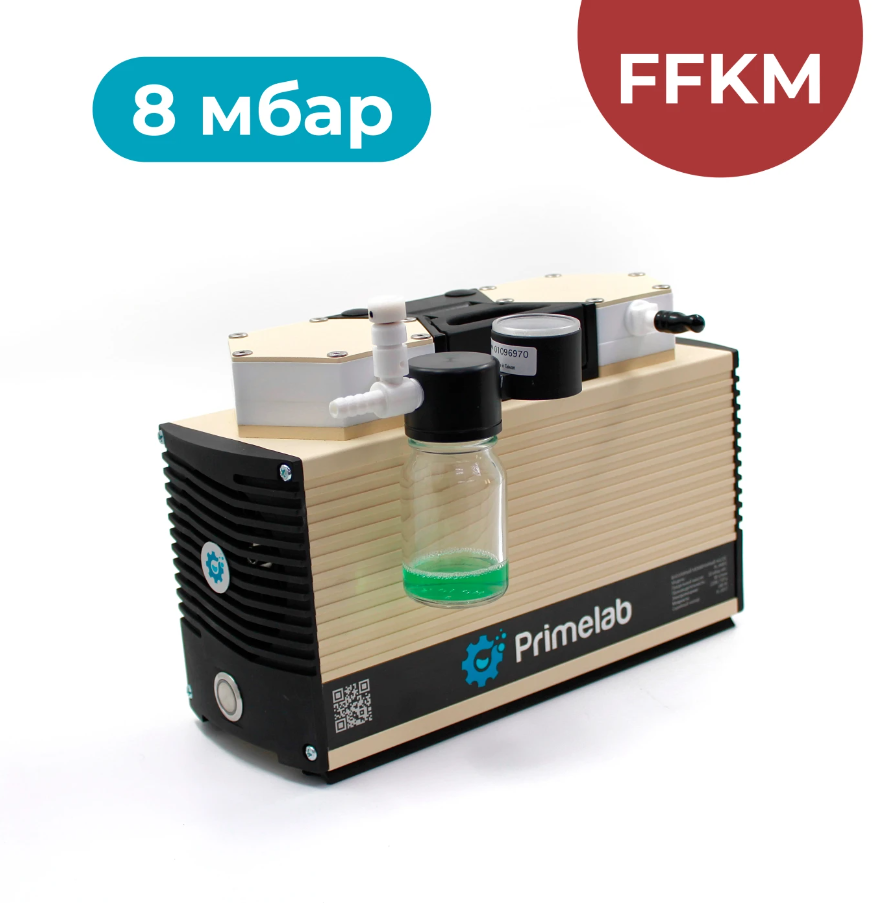
Vacuum membrane pump PL.HM01.02.8 Primelab
from
170 000 ₽
1 supp.
Vacuum membrane pump PL.HM01.02.8 Primelab is an effective laboratory device for creating a vacuum, pumping gases and vapors. It has high productivity (38 l/min) with a maximum residual pressure of 8 mbar. The PL.HM01.02.8 Primelab pump is suitable for working with chemically active and toxic substances, since the chambers are made of fluoroplastic, and all elements and parts have a fluoroplastic coating. In this case, the valves are made of FFKM. The device has a light weight of 8 kg and compact dimensions (321.5x160x200 mm), allowing it to be placed in an already equipped space. Supplied in a complete set sufficient for quick assembly and start of work.
Primelab
Mytishchi
Produced in: Mytishchi, Moscow region
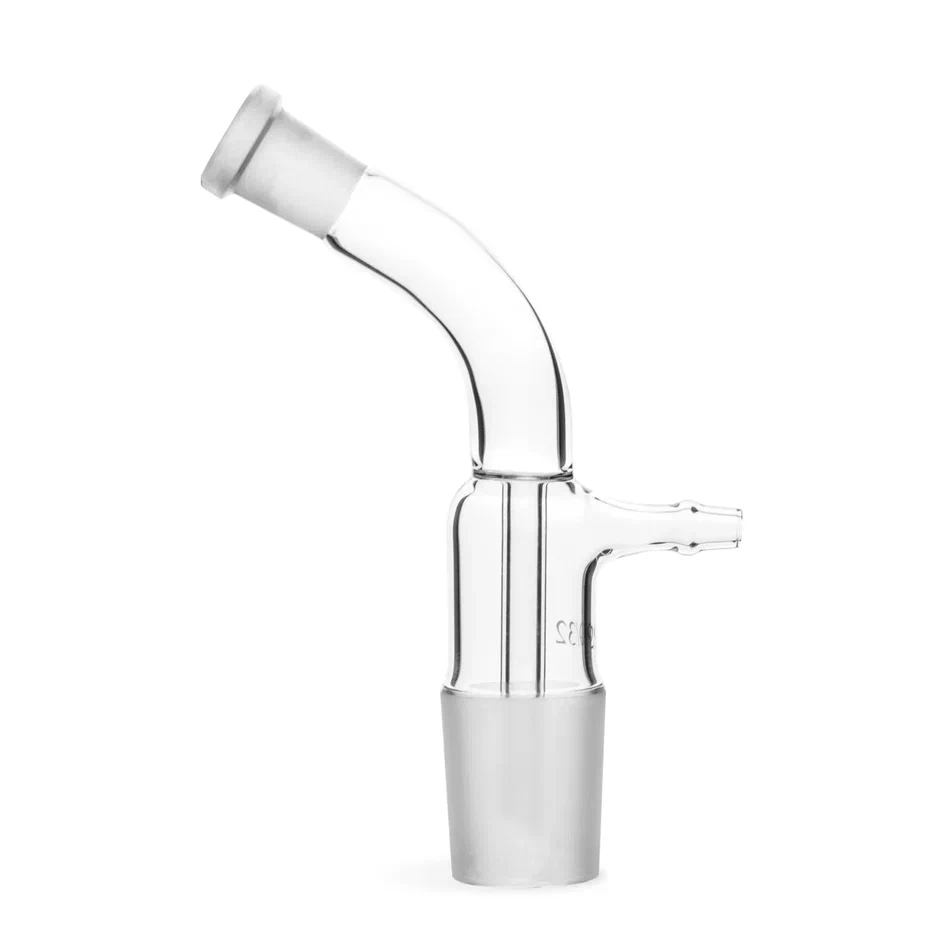
Along AIO 29/32-19/26-65 TS Primelab
from
1 523 ₽
Alonge AIO 29/32-19/26-65 TS Primelab is a strong, durable and reliable connecting component suitable for various laboratory installations and instruments. It has a side outlet and a curved shape with an inclination angle of 105°. At the end of the outlet there is an olive that provides a strong connection with the soft hose. Made from durable Simax borosilicate glass, which has proven itself in the best way during use. Has a long service life and excellent wear resistance. The total length of the device is 65 mm, of which 20 mm is on the narrow lower part with a diameter of 9 mm. The size of the coupling section is 19/26, and the core size is 29/32.
Primelab
Mytishchi
Produced in: Mytishchi, Moscow region
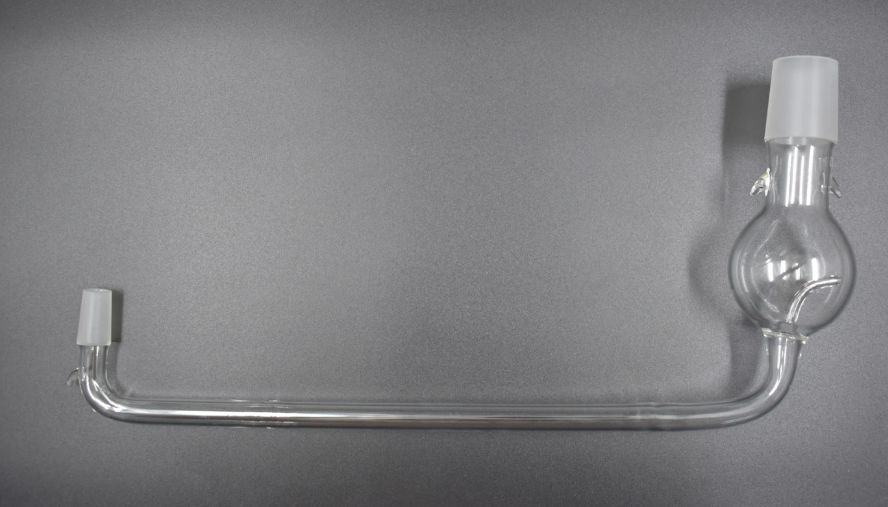
Drop eliminator Primelab
The Primelab droplet eliminator is designed to collect condensate or liquid droplets that form during various laboratory processes. Suitable for determining the moisture content in test mixtures. The device is actively used in distillation apparatuses, chemical plants and devices in which distillation is performed. It has a fairly compact size, is convenient and easy to use. The Primelab company is ready to produce droplet eliminators of various shapes, with and without ground sections. The work is carried out according to the client’s technical specifications or drawing.
Primelab
Mytishchi
Produced in: Mytishchi, Moscow region
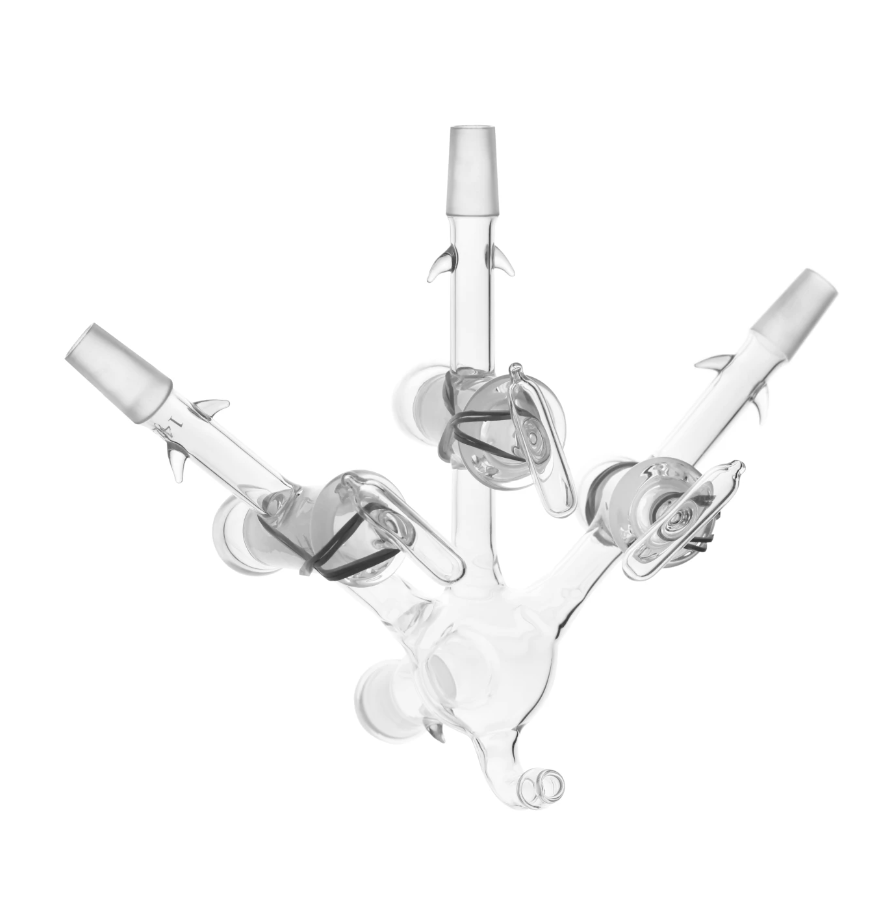
Alonge type "Spider" with vacuum valves KV-19 14/23-19/26 Primelab
1 supp.
The "Spider" type with vacuum valves KV-19 14/23-19/26 Primelab has a non-standard appearance. Serves as a connecting element in laboratory installations, apparatus and devices. It has a reliable design that guarantees excellent tightness and prevention of gas leakage. The product is made in accordance with GOST from borosilicate glass, which does not enter into chemical reactions with contacted substances and is not afraid of temperature changes. The Primelab company accepts orders for the production of equipment and glassware according to the customer’s individual parameters.
Primelab
Mytishchi
Produced in: Mytishchi, Moscow region
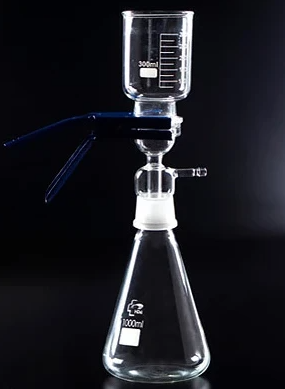
Primelab filtration apparatus, 250 ml flask
from
4 795 ₽
The PrimeLab filtration apparatus with a 250 ml flask allows for fast and clean filtration, which is important for a wide variety of laboratory processes. Made from durable borosilicate glass and stainless steel, which are resistant to heavy use and have a long service life. The installation consists of several parts:
• Adapter with outlet
• 250 ml conical flask
• Filter and clamp for it
• 300 ml cylindrical funnel. All parts are hermetically connected to each other. The liquid with sediment is placed in a glass flask made of borosilicate glass. The volume of the filtrate receiver is 250 ml.
Primelab
Mytishchi
Produced in: Mytishchi, Moscow region
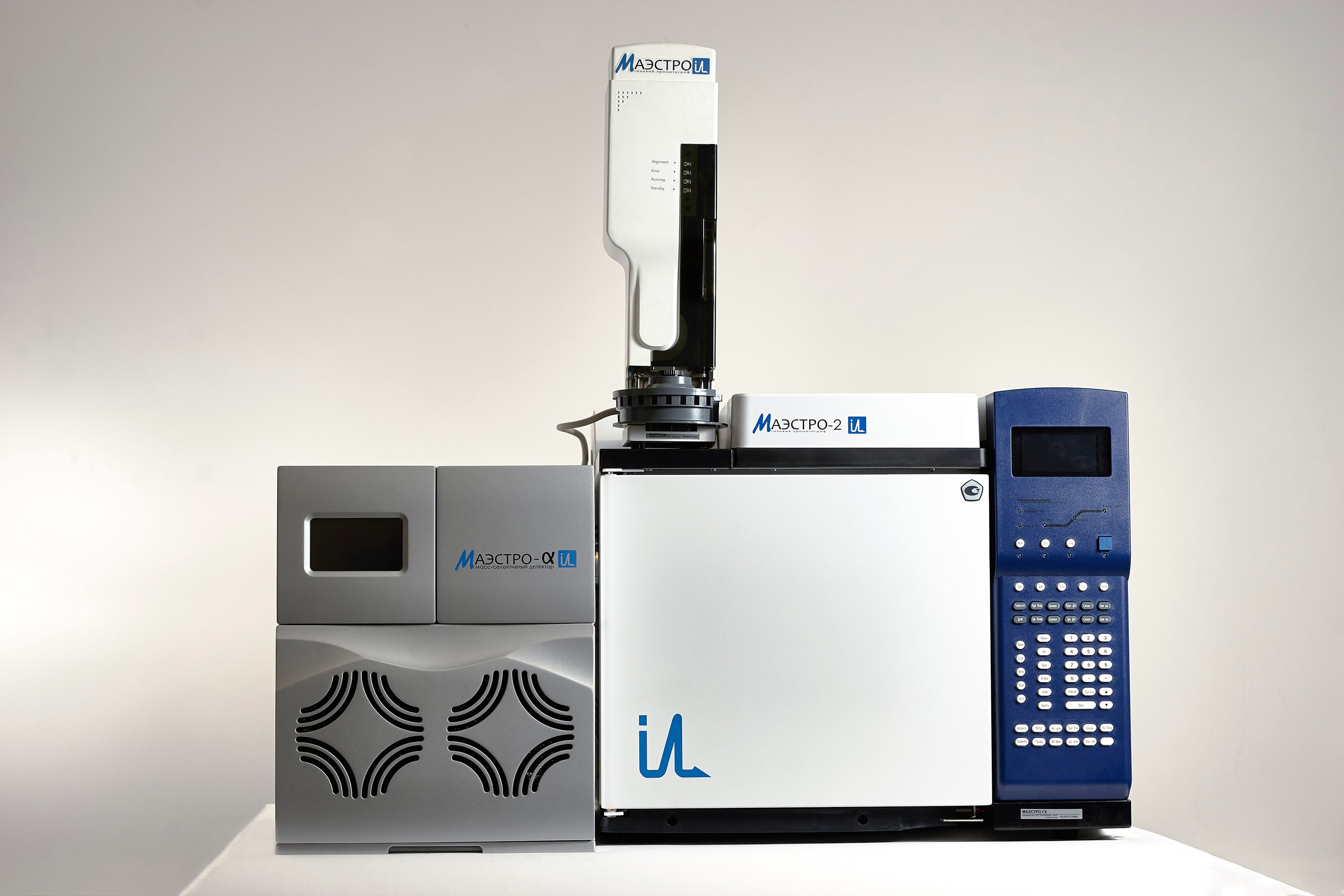
MAESTRO-αMS gas chromatograph by Interlab
We offer expert laboratories of physicochemical methods of analysis a gas chromatograph with a quadrupole mass spectrometric detector «MAESTRO-αMS». Quadrupole GC-MS «MAESTRO-αMS» is in demand for targeted research (screening) and non-targeted search. In targeted studies, it is necessary to detect given target compounds in samples of various nature and origin at the level of residual amounts, for example, several picograms of the target compound in the injected 1 μl of liquid sample. Most often, targeted research is carried out in the following areas of laboratory screening: ecology, food safety, clinical monitoring, narcology, doping control, production control of various raw materials. In targeted studies, it is often required not only to confirm the presence of a compound in a sample, but also to determine the level of its content quantitatively, since both the list of target compounds and the permissible level of their presence in the sample are specified by regulatory documents. Quantitative analysis requires standards for the substances you are looking for. When conducting a non-target search, as a rule, it is required to analyze a sample of unknown composition, in other words, to find as many compounds as possible in the sample and identify (identify) each of them. Since the identification of a detected compound is carried out by comparing its experimental mass spectrum with the spectrum of a pure substance obtained under standard conditions, this task requires reference libraries of mass spectra of pure substances, as well as tools for working with mass spectra, for example: algorithms for cleaning experimental mass spectra from background and spectral noise (mass spectrum deconvolution algorithms), library search and comparison algorithms. An off-target search is called a qualitative analysis, since the researcher is primarily interested in the list of detected substances, and not in the quantitative assessment of their content in the sample. When creating MAESTRO-αMS, we took into account our own many years of experience in operating imported analogues. We have made the device inexpensive. We have made the device compact: The modern design of the device made it possible to make the MAESTRO-αMS really compact, so that the device occupies the smallest possible area on the laboratory table. The layout of the device allows you to remove the ion source on the front flange for cleaning and replacing the cathodes, if necessary. We have reduced the cost of operation: When developing the MAESTRO-αMS, we sought to increase the resistance of the device to sample matrices and use a minimum of consumable materials in order to eliminate downtime for maintenance and replacement. As a result, we have created an extremely stable ion source and a perpetual photomultiplier detector. We have created special software: Even at the first acquaintance with the software, it becomes obvious that being in the window of each button and each parameter to be changed is expedient and logical. Our software product was created for the convenience of the operator, so we implemented the necessary and eliminated the unnecessary. We used the principle of one active window, in which the operator moves sequentially step by step, performing hardware settings, setting the data collection method, subsequent processing algorithms, templates for presenting the results. MAESTRO-αMS offers a wide range of scanning modes, built-in algorithms for working with mass spectral data, convenient unloading of initial data arrays for their processing in specialized software packages, graphics export for presentations and scientific publications. You can use several libraries of mass spectra at the same time, or create your own for your typical tasks. Finally, we provide a 5-day training course for professionals who want to understand the theoretical foundations of the method and their implementation in the hardware of modern quadrupole GC/MS. The volume and depth of presentation of the material from the developers of the device is intended to lay the foundation for the effective use of «MAESTRO-αMS» in the future. Some technical characteristics of MAESTRO-αMS: • Instrumental detection limit (SIM, OFN @272 m/z ) < 10 fg; • Scan modes: scan for selected ions, full scan in a given mass range, combined scan mode; • The number of simultaneously connected libraries of mass spectra is at least 10.
INTERLAB
Moscow
Produced in: Moscow